
Joint Pain Explained: Causes, Symptoms, and Effective Treatment Options
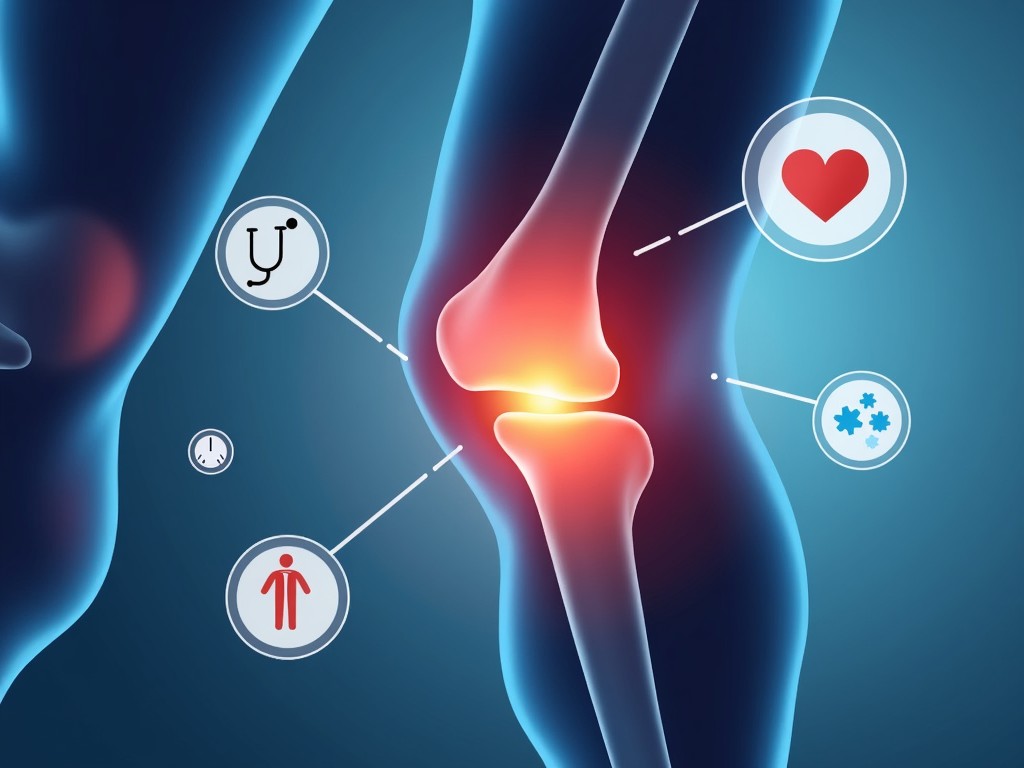
Imagine waking up each morning with a dull ache that makes even simple movements feel like a challenge. That’s the reality for millions who struggle with joint pain. Understanding what drives this discomfort, recognizing its signs, and exploring proven treatment strategies can help you regain mobility and improve quality of life.
What Is Joint Pain?
Joint pain, or arthralgia, refers to discomfort felt in the areas where two bones meet. It can arise from inflammation, injury, overuse, or systemic conditions. Commonly affected joints include the knees, hips, shoulders, and wrists. While occasional aches are normal, persistent pain warrants medical attention.
Common Symptoms of Joint Pain
Recognizing the early warning signs can lead to timely intervention. Typical symptoms include:
- Continuous or intermittent pain that worsens with movement and eases with rest.
- Swelling or fluid buildup around the joint.
- Limited range of motion and stiffness, especially after periods of inactivity.
- Redness, warmth, or a feeling of heat in the affected area.
- Crepitus or a grinding sound during joint movement.
When these symptoms persist, it’s essential to seek a professional evaluation to rule out conditions such as arthritis, infection, or trauma.
Key Causes of Joint Pain
Joint pain can stem from a variety of factors. Understanding the root cause is crucial for effective treatment:
- Age‑related wear and tear: Cartilage degradation leads to osteoarthritis.
- Autoimmune reactions: Conditions like rheumatoid arthritis or lupus trigger inflammation.
- Crystal deposition: Gout occurs when uric acid crystals accumulate in joints.
- Trauma: Sprains, strains, or fractures directly damage joint structures.
- Infections: Bacterial or viral infections can inflame joint tissues.
- Metabolic disorders: Diabetes or thyroid issues may indirectly affect joint health.
- Lifestyle factors: Excess weight, sedentary habits, and repetitive motions increase joint stress.
Effective Treatment Strategies
Treatment plans are tailored to the underlying cause and severity of pain. Common approaches include:
- Nonsteroidal anti‑inflammatory drugs (NSAIDs): Reduce pain and inflammation.
- Corticosteroid injections: Target localized inflammation for rapid relief.
- Disease‑modifying antirheumatic drugs (DMARDs): Slow progression in autoimmune arthritis.
- Physical therapy: Strengthens surrounding muscles and improves joint mobility.
- Low‑impact exercises: Activities like yoga, swimming, or cycling support joint health without excessive strain.
- Alternative therapies: Acupuncture, massage, and cupping can complement conventional treatments.
- Dietary support: Omega‑3 fatty acids, antioxidants, and anti‑inflammatory foods bolster joint resilience.
- Weight management: Reducing excess body weight lessens joint load.
- Surgical options: Arthroscopy for minor repairs or joint replacement for advanced damage.
Lifestyle Changes to Reduce Joint Pain
Small, consistent adjustments can make a significant difference:
- Maintain a balanced diet rich in fruits, vegetables, and healthy fats.
- Incorporate regular, low‑impact movement into daily routines.
- Practice proper ergonomics at work and home to avoid joint strain.
- Use supportive footwear and orthotic inserts when needed.
- Stay hydrated to support joint lubrication.
- Manage stress through mindfulness or relaxation techniques.
Frequently Asked Questions
1. How can I differentiate between joint pain and muscle pain?
Joint pain typically localizes to the joint itself, may worsen with movement, and can be accompanied by swelling or stiffness. Muscle pain often feels more diffuse, is triggered by overuse, and improves with gentle stretching.
2. When should I consider surgical intervention?
If conservative measures fail to relieve pain, or if imaging shows significant joint damage, a surgeon may recommend arthroscopy or joint replacement to restore function.
3. Are there natural remedies that truly help?
While evidence varies, omega‑3 supplements, turmeric, and gentle massage have shown anti‑inflammatory benefits for many patients. Always discuss with a healthcare provider before starting new supplements.
Conclusion
Joint pain is a multifaceted issue that can stem from mechanical wear, autoimmune processes, or lifestyle factors. By recognizing early symptoms, identifying the underlying cause, and adopting a comprehensive treatment plan that blends medication, therapy, and healthy habits, you can manage pain effectively and preserve joint function. If you experience persistent or worsening discomfort, consult a qualified professional to develop a personalized care strategy.
Considering treatment in Türkiye?
Get a free consultation and cost estimate from verified specialists.