
Laparoscopic Chocolate Cyst Surgery in Muş: A Modern, Safe, and Fertility‑Friendly Solution
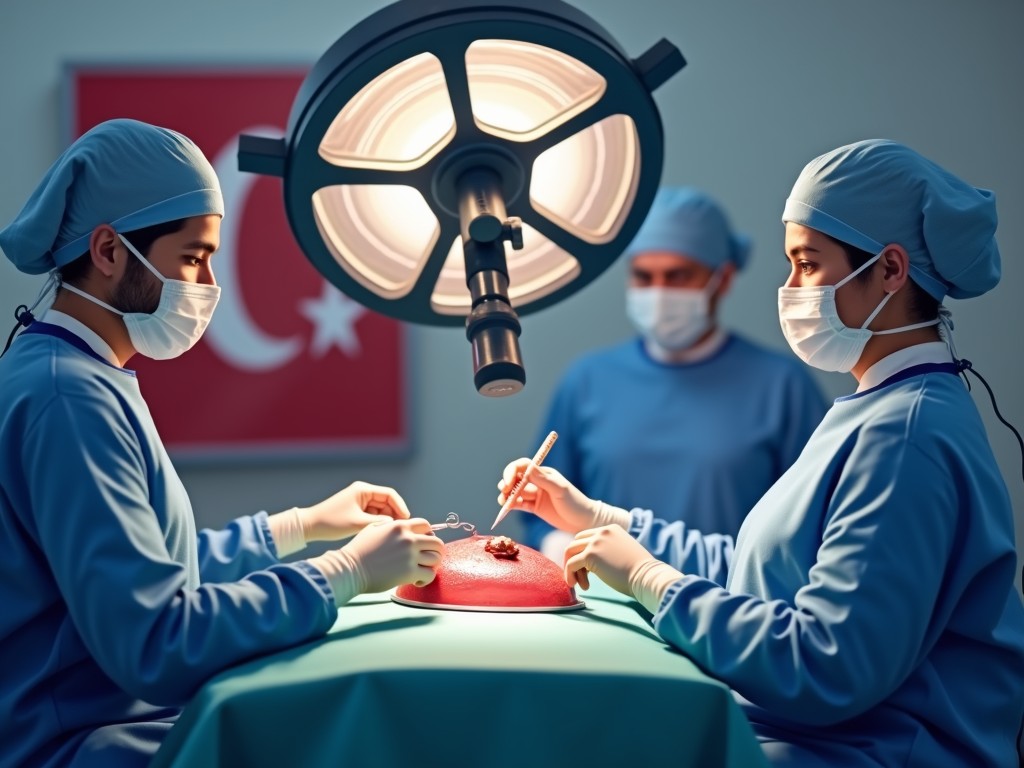
Endometriosis is a chronic condition that affects millions of women worldwide, often leading to painful cysts on the ovaries known as “chocolate cysts.” In the city of Muş, a growing number of patients are turning to laparoscopic chocolate cyst surgery for a minimally invasive, effective treatment that preserves fertility and reduces recovery time. This guide explains why the closed (laparoscopic) approach is the preferred method in Muş, what to expect during surgery, and how it can improve your quality of life.
What Is a Chocolate Cyst?
A chocolate cyst, or ovarian endometrioma, forms when endometrial tissue grows inside the ovary and fills with old blood, giving it a dark, chocolate‑like appearance. These cysts can cause:
- Chronic pelvic or lower abdominal pain
- Painful urination or bowel movements
- Infertility or reduced ovarian reserve
- Complications such as adhesions or bowel obstruction
In Muş, patients often present with additional sites of endometriosis, including the bowel, bladder, fallopian tubes, and peritoneum, making a comprehensive surgical approach essential.
Why Laparoscopic Surgery Is the Gold Standard in Muş
Unlike traditional open surgery, laparoscopy uses small incisions and a camera to guide the surgeon. The benefits for patients in Muş include:
- Minimal scarring – no large abdominal incision
- Reduced risk of post‑operative adhesions and hernias
- Shorter hospital stay and faster return to daily activities
- Enhanced visualization of small lesions and deeper pelvic structures
- Lower overall complication rates
These advantages translate into a quicker, safer recovery and a higher likelihood of preserving ovarian function.
When Is Laparoscopic Chocolate Cyst Surgery Recommended?
In Muş, surgeons typically recommend the procedure when:
- Ovarian cysts exceed 4–5 cm in diameter
- Patients experience persistent, severe pelvic pain despite medical therapy
- Pain occurs during urination or defecation, indicating possible bowel or bladder involvement
- There is evidence of adhesions or other endometriotic implants that could impair fertility
Early intervention can prevent further damage to reproductive organs and improve future pregnancy prospects.
The Surgical Process in Detail
Pre‑operative Preparation
Patients undergo a thorough evaluation, including:
- Pelvic ultrasound or MRI to assess cyst size and location
- Blood tests for hormone levels and ovarian reserve markers
- Discussion of fertility goals and potential need for assisted reproduction
Intra‑operative Steps
1. Insufflation – Carbon dioxide gas inflates the abdomen to create a working space.
2. Camera insertion – A laparoscope provides a magnified view of the pelvic cavity.
3. Adhesiolysis – Scar tissue is carefully dissected to free the ovaries and surrounding organs.
4. Cyst removal – The chocolate cyst is excised, preserving as much healthy ovarian tissue as possible.
5. Repair of affected organs – If bowel or bladder involvement is present, the surgeon repairs the tissue during the same session.
6. Closure – Small incisions are closed with sutures or surgical glue.
Post‑operative Care
Recovery times vary based on cyst size and complexity:
- Simple cases: 60–90 minutes surgery, discharge the next day.
- Advanced cases: up to 3–5 hours, with 4–5 days of hospitalization if bowel repair is needed.
Patients are advised to avoid heavy lifting for 2–4 weeks and to follow a pain‑management plan prescribed by the surgeon.
Fertility Outlook After Surgery
Preserving ovarian tissue during laparoscopy is key to maintaining fertility. Studies show that:
- Women who retain healthy ovarian reserve have a higher chance of spontaneous conception within the first 6 months post‑surgery.
- When fallopian tubes are damaged, IVF (in vitro fertilization) becomes a viable alternative.
- Regular follow‑up with hormonal monitoring helps detect any recurrence early.
Cost Considerations in Muş (2025)
Prices for laparoscopic chocolate cyst surgery in Muş depend on:
- Size and number of cysts
- Extent of endometriosis (e.g., bowel or bladder involvement)
- Surgeon’s experience and hospital facilities
- Additional procedures such as adhesiolysis or organ repair
While initial costs may seem high, the reduced need for repeat surgeries and the potential for successful pregnancy often make it a cost‑effective long‑term solution.
Multidisciplinary Care: Why It Matters
Advanced endometriosis may require collaboration between:
- Gynecologic surgeons
- Bowel surgeons
- Urologists
- Reproductive endocrinologists
In Muş, many hospitals offer such multidisciplinary teams, ensuring comprehensive care and higher success rates.
Robotic Surgery: An Emerging Option
Some specialized centers in Muş now provide robotic laparoscopy, offering even greater precision. However, due to higher costs and limited availability, conventional laparoscopy remains the most widely used and reliable method.
From Open to Closed: The Shift in Practice
Open surgery for chocolate cysts has largely been abandoned in favor of laparoscopy. The closed approach reduces surgical trauma, shortens hospital stays, and improves cosmetic outcomes. In Muş, experienced surgeons routinely perform laparoscopic procedures as the standard of care.
Follow‑Up and Privacy Assurance
Because endometriosis can recur, regular follow‑up appointments are essential. Patients in Muş can expect:
- Periodic ultrasounds to monitor ovarian reserve
- Hormonal evaluations to assess treatment response
- Access to hormonal suppression therapy if needed
- Confidentiality of all personal health information
All surgeries in Muş hospitals adhere to strict privacy protocols, ensuring that patient data remains secure.
Frequently Asked Questions
What is the typical recovery time after laparoscopic chocolate cyst surgery?
Most patients can return home the day after surgery and resume normal activities within 2–4 weeks, depending on the complexity of the case.
Will the surgery affect my chances of getting pregnant?
When performed by an experienced laparoscopic surgeon, the procedure preserves ovarian tissue and often improves fertility prospects. IVF may be recommended if tubal damage occurs.
Is the surgery covered by insurance in Muş?
Coverage varies by provider. It is advisable to check with your insurer and discuss payment options with the hospital’s billing department.
Conclusion
Laparoscopic chocolate cyst surgery in Muş offers a safe, effective, and fertility‑friendly solution for women suffering from endometriosis‑related ovarian cysts. By choosing a minimally invasive approach, patients benefit from reduced pain, quicker recovery, and a higher likelihood of preserving reproductive health. If you’re experiencing persistent pelvic pain or suspect an ovarian cyst, contact a qualified Muş gynecologic surgeon today to discuss whether laparoscopy is right for you.
For more information or to schedule a consultation, call 0541 998 34 34 or visit our website.
Considering treatment in Türkiye?
Get a free consultation and cost estimate from verified specialists.