
Laparoscopy Explained: Benefits, Techniques, and Why It’s the Future of Minimally Invasive Surgery
Introduction
When you think of modern surgery, the image of a large, open incision often comes to mind. However, the medical field has evolved dramatically, and laparoscopy has become the gold standard for many procedures. This minimally invasive technique offers patients less pain, quicker recovery, and superior cosmetic results. In this article, we’ll dive deep into what laparoscopy is, how it works, the latest advancements like mini‑laparoscopy and micro‑laparoscopy, and why it’s especially popular in Istanbul’s top hospitals.
What Is Laparoscopy?
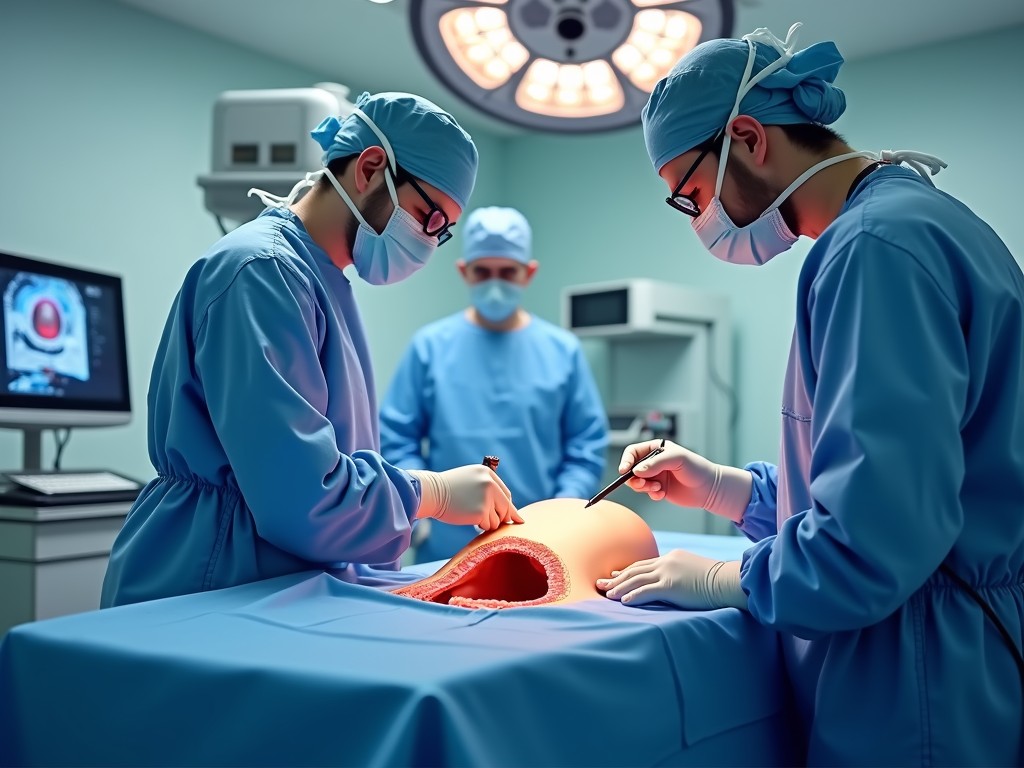
Laparoscopy, also known as minimally invasive surgery, involves inserting a thin, lighted tube called a laparoscope through a small incision—usually 1–1.5 cm—near the navel. The surgeon then inflates the abdomen with carbon dioxide (CO₂) to create a working space, allowing the camera to transmit real‑time images to a monitor. Using specialized instruments, the surgeon performs the operation with precision while keeping the incision size minimal.
Key Components of a Laparoscopic Procedure
- Laparoscope: A slender tube with a camera and light source.
- CO₂ Insufflation: Inflates the abdomen to provide space for instruments.
- Trocar Ports: Small entry points for surgical tools.
- Video Monitor: Displays the internal view for the surgical team.
How Does CO₂ Insufflation Work?
The CO₂ gas is non‑reactive and is absorbed by the body’s tissues, then expelled through the lungs. This makes it safe for patients and compatible with electrosurgical devices. While rare, some surgeons perform gas‑less laparoscopy by mechanically lifting the abdominal wall, but CO₂ insufflation remains the most common and reliable method.
When Is Laparoscopy Used?
Initially developed for diagnostic purposes, laparoscopy now treats a wide range of conditions, including:
- Gallbladder removal (cholecystectomy)
- Appendix removal (appendectomy)
- Gynecologic surgeries (ectopic pregnancy, ovarian cysts, endometriosis)
- Hernia repairs
- Certain cancers (e.g., early‑stage ovarian cancer)
- Diagnostic exploration of abdominal pain
Mini‑Laparoscopy vs. Micro‑Laparoscopy
As technology advances, the size of laparoscopic instruments has shrunk dramatically. Here’s how the newer techniques differ:
Mini‑Laparoscopy
- Instrument diameter: 2.3–3.5 mm
- Incisions: Often <0.5 cm, virtually invisible after a few weeks
- Benefits: Minimal scarring, reduced postoperative pain, lower risk of incisional hernia
- Applications: Fertility treatments, endometriosis, ovarian cyst removal
Micro‑Laparoscopy
- Instrument diameter: 2 mm or less
- Even smaller incisions, often <0.3 cm
- Benefits: Near‑invisible scars, almost no postoperative discomfort, rapid return to normal activities
- Applications: Advanced gynecologic procedures, complex abdominal surgeries, and certain oncologic interventions
Advantages of Laparoscopic Surgery
- Reduced Pain: Smaller incisions mean less tissue trauma.
- Faster Recovery: Patients are often discharged the same day or the next.
- Lower Infection Risk: Smaller wounds reduce bacterial entry.
- Cosmetic Appeal: Minimal scarring is a major benefit for many patients.
- Shorter Hospital Stay: Cuts costs and frees up hospital resources.
- Precision: High‑definition cameras and specialized instruments allow meticulous dissection.
Why Istanbul Is a Hub for Laparoscopic Surgery
Istanbul’s leading hospitals combine state‑of‑the‑art technology with highly experienced surgeons. Patients from around the world choose Istanbul for:
- World‑class laparoscopic centers of excellence.
- Competitive pricing without compromising quality.
- Multilingual support and comprehensive pre‑ and post‑operative care.
- Access to the latest mini‑ and micro‑laparoscopy equipment.
Frequently Asked Questions
Is laparoscopy safe for everyone?
Most patients are good candidates, but certain conditions—such as severe obesity or extensive abdominal adhesions—may require open surgery. Your surgeon will evaluate your specific situation.
How long does recovery take?
Recovery varies by procedure, but many patients return to normal activities within 1–2 weeks. Full healing of incisions can take up to 6 weeks.
What are the risks?
Like any surgery, laparoscopy carries risks such as bleeding, infection, or injury to surrounding organs. However, the incidence is lower compared to open surgery.
Can laparoscopy be used for cancer treatment?
Yes, for early‑stage cancers and certain tumor resections, laparoscopy offers a less invasive option with comparable oncologic outcomes.
Conclusion
Laparoscopy has revolutionized surgical care by offering patients less pain, faster recovery, and superior cosmetic results. With continuous innovations—mini‑laparoscopy and micro‑laparoscopy—surgeons can perform complex procedures through even smaller incisions. Whether you’re considering a gallbladder removal, a gynecologic procedure, or a diagnostic exploration, laparoscopic surgery provides a safe, efficient, and patient‑friendly alternative. If you’re in Istanbul, you’ll find world‑class expertise and cutting‑edge technology that make this minimally invasive approach the preferred choice for countless patients worldwide.
Considering treatment in Türkiye?
Get a free consultation and cost estimate from verified specialists.