
Lipodema Treatment 2025: Symptoms, Diagnosis, and the Latest VASER Liposuction Solution
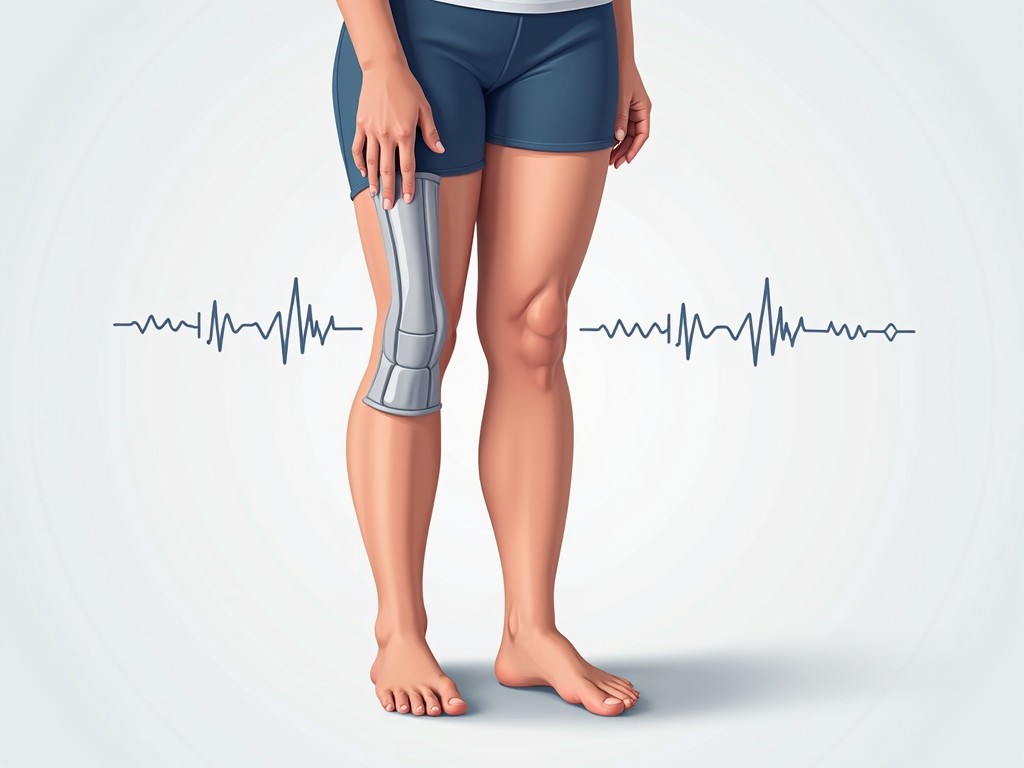
Hook: Imagine waking up every morning feeling a heavy, painful weight in your legs that never goes away, no matter how much you exercise or diet. This is the daily reality for many people living with lipodema—a chronic, often misunderstood condition that affects millions of women worldwide. In this guide, we break down what lipodema is, how to spot it, and why modern VASER liposuction is becoming the gold standard for treatment.
What Is Lipodema?
Lipodema is a chronic disorder characterized by abnormal, symmetrical fat deposits in the lower body—primarily the thighs, hips, and sometimes the arms. Unlike general obesity, these fat cells are resistant to diet and exercise, and they often become painful and tender. Hormonal fluctuations during puberty, pregnancy, or menopause are common triggers, but genetics also play a significant role.
Key Symptoms to Watch For
- Symmetrical swelling in the legs and arms, sparing the feet and hands
- Pain or tenderness that worsens with pressure or prolonged standing
- Easy bruising and a “pebbled” skin texture
- Visible fat bulges that do not respond to weight loss efforts
- Limited mobility or a feeling of heaviness in the affected areas
How Does Lipodema Differ From Lymphedema?
While both conditions involve swelling, there are clear distinctions:
- Symmetry: Lipodema is usually bilateral and symmetrical; lymphedema often affects one limb.
- Feet involvement: Lymphedema commonly includes the feet, whereas lipodema typically spares them.
- Pain and bruising: Lipodema tends to be more painful and bruises easily; lymphedema feels more like a tightness or fullness.
Diagnosing Lipodema
Diagnosis is primarily clinical, based on a detailed history and physical exam. Imaging such as ultrasound can help rule out other conditions. Early detection is crucial because the disease is progressive.
Preventing Progression: Lifestyle & Diet Tips
While lipodema is not curable, its progression can be slowed:
- Maintain a balanced, anti‑inflammatory diet rich in omega‑3 fatty acids, leafy greens, and lean proteins.
- Limit sodium to reduce fluid retention.
- Engage in low‑impact exercises—swimming, cycling, or walking—to improve circulation without stressing the joints.
- Practice stress‑reduction techniques such as yoga, meditation, or deep breathing.
- Use compression garments to support lymphatic flow and reduce swelling.
Modern Treatment Options
VASER Liposuction: The Cutting‑Edge Approach
VASER (Vibration Amplification of Sound Energy at Resonance) liposuction uses ultrasonic waves to emulsify fat cells, allowing for precise removal while preserving surrounding tissues. Benefits include:
- Minimal trauma to lymphatic vessels and nerves
- Reduced postoperative pain and swelling
- Faster recovery—most patients return home the same day
- Natural body contours with a lower risk of contour irregularities
Traditional Liposuction and Other Therapies
Conventional liposuction can still be effective but carries higher risks of lymphatic damage. Other supportive treatments include:
- Manual lymphatic drainage massage
- Physical therapy focused on strengthening and flexibility
- Hormonal therapy in select cases to address underlying endocrine imbalances
Post‑Surgery Care and Long‑Term Management
After VASER liposuction, patients typically follow these steps:
- Wear compression garments for 4–6 weeks to aid healing.
- Start gentle walking and light stretching within 24–48 hours.
- Schedule follow‑up visits every 4–6 weeks to monitor progress.
- Maintain a healthy lifestyle—diet, exercise, and stress management—to prevent recurrence.
Common Myths About Lipodema Debunked
- It only affects overweight people—false. Lipodema can occur in individuals with normal BMI.
- Exercise alone can cure it—false. While exercise helps, it does not eliminate the abnormal fat deposits.
- It’s purely cosmetic—false. Untreated lipodema can lead to chronic pain, mobility issues, and psychological distress.
- It’s the same as lymphedema—false. They are distinct conditions with different treatments.
FAQs
Can lipodema be cured with diet and exercise?
While a healthy lifestyle can reduce overall body fat, the specific fat deposits in lipodema are resistant to conventional weight loss methods.
Is lipodema genetic?
Yes, family history is a strong risk factor, especially when it passes from mother to daughter.
Will liposuction be permanent?
Results are long‑lasting, but hormonal changes or lifestyle factors can cause new fat accumulation over time. Ongoing care is essential.
Conclusion
Lipodema is a complex, chronic condition that demands a comprehensive, multidisciplinary approach. Early recognition, lifestyle modification, and advanced surgical techniques like VASER liposuction can dramatically improve quality of life. If you suspect you have lipodema, consult a specialist—your journey to relief starts with a single step.
Considering treatment in Türkiye?
Get a free consultation and cost estimate from verified specialists.