
Optimal Pregnancy Nutrition: How a Balanced Diet Boosts Maternal Health and Fetal Development
Introduction
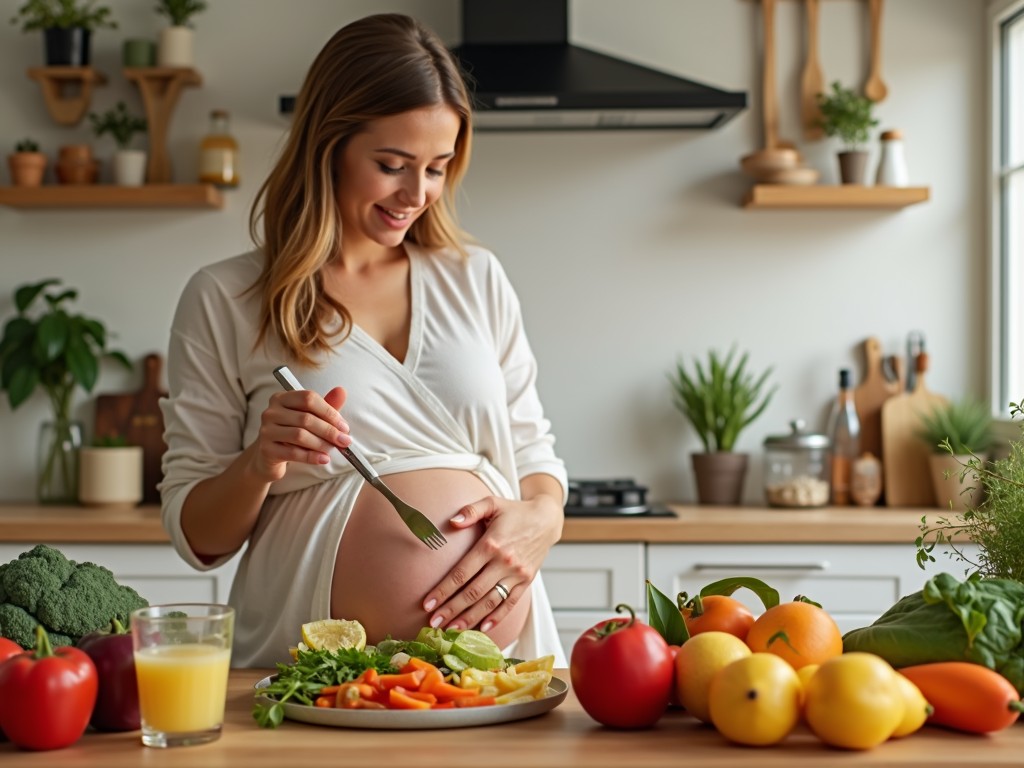
Expecting a baby is a beautiful journey that lasts about 40 weeks. During this time, the tiny life inside you grows at an astonishing rate, developing senses, organs, and a complex nervous system. The foundation for this rapid growth is the food you eat. A well‑planned, balanced diet not only supports your own health but also directly influences your baby’s birth weight, brain development, and long‑term well‑being. In this guide, we’ll explore the science behind pregnancy nutrition, common pitfalls, and practical meal plans to keep both you and your baby thriving.
Why Nutrition Matters in Pregnancy
Pregnancy is a period of heightened nutritional demand. Your body needs extra calories, protein, vitamins, and minerals to support fetal growth and maintain maternal health. Poor nutrition can lead to:
- Preterm birth or low‑birth‑weight infants
- Iron‑deficiency anemia, causing fatigue and increased infection risk
- Gestational diabetes or hypertension, which can complicate delivery
- Long‑term developmental delays in the child
Conversely, a nutrient‑dense diet can reduce the risk of these complications and promote a smoother pregnancy and recovery.
Key Nutrients Every Pregnant Woman Needs
1. Protein
Protein is essential for building fetal tissues, placenta, and maternal blood volume. Aim for 70–100 grams per day, sourced from lean meats, fish, eggs, dairy, legumes, and nuts.
2. Calcium
Calcium supports fetal bone development and helps maintain maternal bone density. Include 1,000–1,300 mg daily from milk, yogurt, cheese, fortified plant milks, and leafy greens.
3. Iron
Iron stores are depleted during pregnancy. Consume 27 mg daily from red meat, poultry, beans, spinach, and iron‑fortified cereals. Pair with vitamin C to enhance absorption.
4. Folic Acid
Critical for neural tube closure. Take 400–800 µg daily before conception and throughout pregnancy, found in leafy greens, citrus, beans, and fortified grains.
5. Omega‑3 Fatty Acids
Docosahexaenoic acid (DHA) supports brain and eye development. Include 200–300 mg daily from fatty fish (salmon, sardines) or algae‑based supplements.
6. Vitamin D
Helps calcium absorption and immune function. Aim for 600–800 IU daily, via sunlight, fortified foods, or supplements.
Common Dietary Pitfalls and How to Avoid Them
- Fast Food & Processed Snacks – High in saturated fats, sodium, and empty calories. Replace with whole foods.
- Excessive Sugar & Sweetened Beverages – Contribute to gestational diabetes and weight gain.
- Alcohol & Caffeine Overuse – Alcohol is teratogenic; limit caffeine to <200 mg/day.
- Skipping Meals – Leads to nutrient gaps and energy crashes.
- Inadequate Fluid Intake – Dehydration can cause constipation and reduce amniotic fluid.
Practical Meal Planning for Pregnant Women
Daily Food Group Targets
- Milk Group: 3 cups of milk or yogurt (≈500 g)
- Meat Group: 1 egg + 2–4 servings of meat/fish (≈60 g each)
- Grain Group: 200 g of bread or equivalent grains
- Vegetable Group: 3–4 servings (raw or cooked)
- Fruit Group: 3–4 servings (whole fruit)
- Fat Group: 4 tbsp of healthy oils + nuts (10–15 pieces)
Sample Day of Eating
- Breakfast: 1 cup milk, 1 boiled egg, 1 slice whole‑grain bread, 1 cup fruit juice, 5 olives
- Mid‑morning Snack: 1 cup yogurt with berries
- Lunch: 60 g grilled chicken, mixed vegetable salad with olive oil, 1 cup lentil soup, 1 cup water
- Afternoon Snack: Handful of mixed nuts, 1 apple
- Dinner: 60 g baked salmon, steamed broccoli, ½ cup quinoa, 1 cup water
- Evening Snack: 1 cup milk, 2 slices whole‑grain toast with avocado
Managing Common Pregnancy Discomforts Through Diet
Constipation
Increase fiber intake with whole grains, fruits, and vegetables. Drink 2.5–3 liters of water daily and consider a gentle probiotic supplement.
Nausea & Vomiting
- Eat small, frequent meals; avoid greasy, spicy foods.
- Consume ginger tea or ginger candies.
- Stay upright for 20–30 minutes after eating.
Frequently Asked Questions
Q: Can I eat fish during pregnancy?
A: Yes, choose low‑mercury options like salmon, sardines, and trout. Limit high‑mercury fish (shark, swordfish) to <200 mg per week.
Q: How much weight should I gain?
Weight gain depends on pre‑pregnancy BMI. Generally, 25–35 lbs (11–16 kg) for normal weight, 15–25 lbs (7–11 kg) for overweight, and 11–20 lbs (5–9 kg) for obese women.
Q: Is it safe to take prenatal vitamins?
Yes, prenatal vitamins provide essential folic acid, iron, and DHA. Consult your healthcare provider for the right brand and dosage.
Conclusion
Pregnancy is a time of profound change, and the food you choose plays a pivotal role in shaping both your health and your baby’s future. By focusing on nutrient‑dense foods, avoiding processed and sugary items, and staying hydrated, you can reduce the risk of complications, support optimal fetal development, and enjoy a healthier, more energetic pregnancy. Remember, small, consistent changes—like adding a handful of spinach to your smoothie or swapping soda for sparkling water—can make a big difference. Consult your obstetrician or a registered dietitian for personalized guidance, and embrace this nourishing journey with confidence.
Considering treatment in Türkiye?
Get a free consultation and cost estimate from verified specialists.