
Protrusion Explained: Non‑Surgical Lumbar Disc Herniation Treatments & When Surgery Is Needed
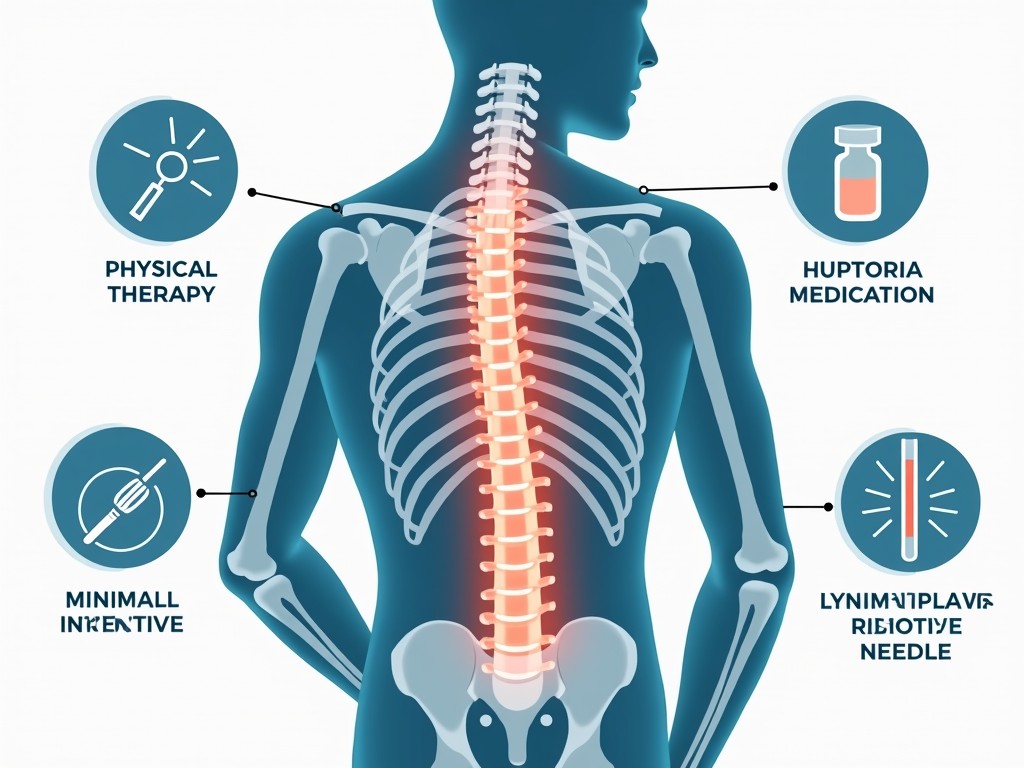
Introduction
Back pain is one of the most common complaints worldwide, and a leading cause is the gradual wear and tear of the spinal discs. When a disc begins to bulge or protrude, it can press on nearby nerves, causing sharp pain, numbness, or weakness. Understanding what a protrusion is, and knowing the modern non‑surgical options available, can help patients make informed decisions about their care. This guide dives deep into the anatomy, diagnosis, and treatment spectrum—from conservative therapy to the cutting‑edge nucleoplasty procedure—so you can determine whether surgery is truly necessary.
What Is a Disc Protrusion?
A disc protrusion is the first stage of a disc herniation. The intervertebral disc consists of a tough outer ring called the annulus fibrosus and a gel‑like inner core known as the nucleus pulposus. In a protrusion, the outer ring weakens but does not tear completely. The inner gel pushes outward, bulging into the spinal canal and potentially compressing nerve roots.
Key points:
- It is often called a “disc bulge” or “disc swelling.”
- Symptoms can include localized back pain, radiating leg pain (sciatica), tingling, or mild weakness.
- Progression to a full herniation (extrusion or sequestration) can worsen symptoms.
Diagnosing Protrusion
Early detection is crucial. Common diagnostic tools include:
- Physical examination and neurological assessment.
- Magnetic Resonance Imaging (MRI) – the gold standard for visualizing disc pathology.
- Computed Tomography (CT) scans or X‑rays for structural evaluation.
Non‑Surgical Treatment Options
Most protrusions can be managed without surgery. The goal is to reduce inflammation, relieve nerve pressure, and strengthen the surrounding musculature.
1. Rest & Activity Modification
Short periods of bed rest may help during acute flare‑ups, but prolonged inactivity can weaken core muscles. Gradual return to normal activities, avoiding heavy lifting and prolonged sitting, is recommended.
2. Pharmacologic Therapy
- Non‑steroidal anti‑inflammatory drugs (NSAIDs) for pain and swelling.
- Muscle relaxants to reduce spasms.
- Neuropathic pain agents (e.g., gabapentin) for nerve‑related discomfort.
3. Physical Therapy & Rehabilitation
Customized exercise programs focus on:
- Core strengthening and stabilization.
- Flexibility and mobility drills.
- Postural education and ergonomics.
4. Injections
- Epidural steroid injections to reduce inflammation around the nerve roots.
- Facet joint injections for facet‑related pain.
5. Alternative & Complementary Therapies
Acupuncture, massage, chiropractic adjustments, and yoga can provide adjunctive relief, though evidence varies. Always consult a qualified practitioner.
Minimally Invasive Option: Nucleoplasty
When conservative measures fail or the protrusion is moderate, nucleoplasty offers a less invasive alternative to open surgery. This procedure reduces disc pressure by removing or vaporizing a portion of the nucleus pulposus.
How Nucleoplasty Works
Under local anesthesia and image guidance (fluoroscopy or ultrasound), a thin needle or catheter is inserted into the disc. Energy sources—such as radiofrequency, laser, or cold plasma—vaporize or ablate excess disc material, thereby:
- Lowering intradiscal pressure.
- Alleviating nerve root compression.
- Preserving the annulus fibrosus and overall spinal stability.
Benefits of Nucleoplasty
- Minimal incision and tissue disruption.
- Local anesthesia—no general anesthesia required.
- Short procedure time (30–60 minutes) and same‑day discharge.
- Lower infection and bleeding risks compared to open surgery.
- Rapid return to daily activities.
Who Is a Candidate?
Ideal patients have:
- Moderate protrusion or extrusion visible on MRI.
- Persistent pain despite 6–12 weeks of conservative care.
- No severe neurological deficits or cauda equina syndrome.
- No significant spinal instability.
When Is Surgery Still Necessary?
Despite advances in non‑surgical care, some cases require definitive surgical intervention. Consider surgery if:
- Severe, unrelenting pain persists after 3–6 months of therapy.
- Progressive muscle weakness or loss of reflexes is observed.
- Urinary or bowel dysfunction develops (cauda equina syndrome).
- Imaging shows significant disc collapse, spinal canal stenosis, or instability.
- Patient’s occupation or lifestyle demands immediate relief.
Frequently Asked Questions
- Q: Can a protrusion heal on its own?
- A: Many protrusions regress with time, especially when managed conservatively.
- Q: Is nucleoplasty safe?
- A: Yes—studies show low complication rates and high patient satisfaction.
- Q: How long does recovery take?
- A: Most patients resume normal activities within 1–2 weeks post‑procedure.
Conclusion
A disc protrusion is a common yet manageable condition. Early diagnosis, a comprehensive conservative plan, and modern minimally invasive techniques like nucleoplasty can often avert the need for open surgery. However, persistent or severe symptoms warrant a thorough evaluation by a spine specialist to determine the best course of action. By staying informed and working closely with your healthcare team, you can protect your spine and maintain an active, pain‑free life.
Considering treatment in Türkiye?
Get a free consultation and cost estimate from verified specialists.