
Silicone Breast Implants: Types, Features, and What You Need to Know
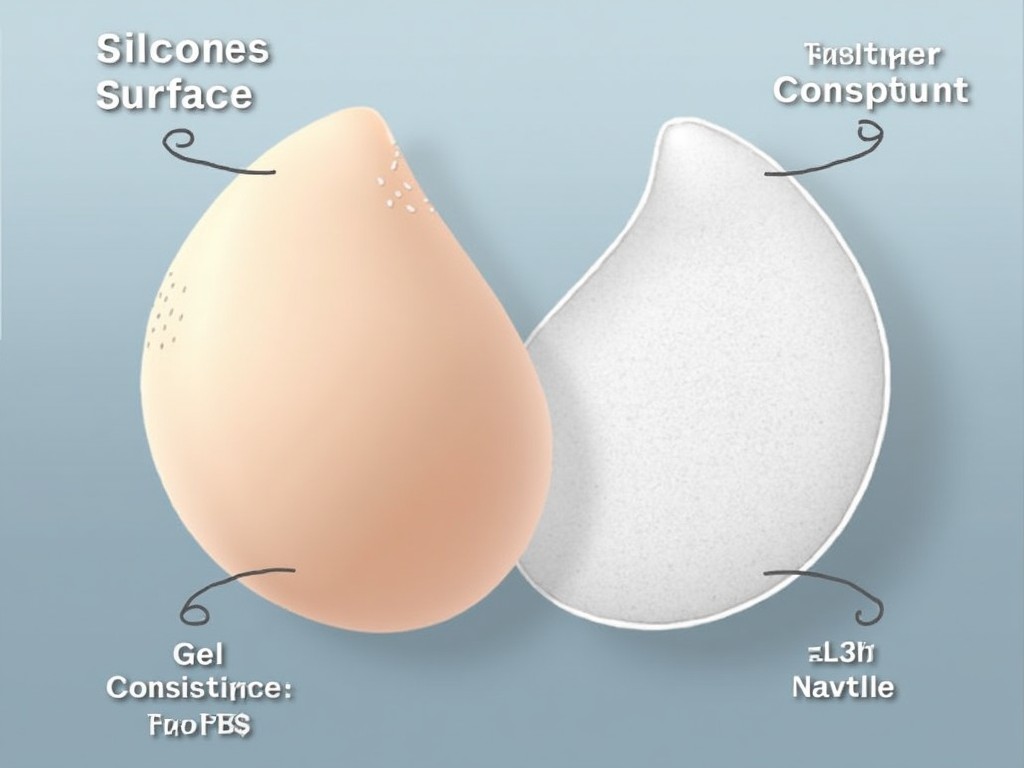
Choosing a breast implant is a deeply personal decision that blends medical science, aesthetic goals, and lifestyle considerations. Among the many options available, silicone breast implants remain the most popular choice worldwide. They offer a natural look and feel, but understanding the nuances—such as the difference between liquid and cohesive silicone, surface textures, and profile heights—can help you make an informed decision. This guide dives into the key features of silicone breast implants, explains the various types, and answers the most common questions patients ask.
What Makes Silicone Breast Implants Stand Out?
Silicone breast implants are filled with a silicone gel that mimics the softness and warmth of natural breast tissue. Unlike saline implants, which are filled with sterile saltwater, silicone implants provide a more consistent shape and feel. The gel’s viscosity can vary, leading to two main categories: liquid silicone and cohesive (gel) silicone.
Liquid Silicone Implants
- Texture: Fluid and soft, closely resembling natural breast tissue.
- Detection: When examined externally, the implant’s presence is often subtle or undetectable.
- Complication Risk: If the implant ruptures, the silicone can leak into surrounding tissues, potentially requiring surgical removal and cleaning.
Cohesive Gel Silicone Implants
- Texture: Thicker and firmer than liquid silicone, with a cohesive structure that keeps the gel contained.
- Safety: In the event of a rupture, the gel is less likely to spread, reducing the risk of complications.
- Feel: External palpation may reveal a slight firmness, but overall the implant still feels natural.
- Grades: Cohesive gels are classified into Grade I, II, and III, with higher grades offering increased firmness.
Surface Texture: Smooth vs. Textured
The outer shell of a silicone implant can be either smooth or textured. This feature influences how the implant interacts with surrounding tissue and can affect the likelihood of capsular contracture—a common complication where scar tissue tightens around the implant.
Smooth Surface Implants
- First introduced in 1962, smooth implants were initially coated with Dacron fibers to improve adhesion to the chest wall.
- High rates of capsular contracture were reported due to the shell’s inability to fully contain the silicone gel.
- Modern smooth implants use a more permeable shell and cohesive gel to reduce complications.
Textured Surface Implants
- Created by altering the silicone shell’s physical structure.
- Collagen fibers on the surface are oriented to discourage scar tissue formation.
- Generally associated with lower rates of capsular contracture compared to smooth implants.
Profile Height: Low, Medium, and High
Profile refers to the implant’s projection from the chest wall. Choosing the right profile depends on your breast width and desired aesthetic.
- Low Profile: Best for patients with a wide chest wall; offers a subtle lift.
- Medium Profile: A balanced option suitable for most breast widths.
- High Profile: Ideal for patients with a narrow chest wall; provides a more pronounced projection.
Why Cohesive Gel Is Often the Preferred Choice
Modern silicone implants prioritize safety and natural feel. Cohesive gel offers several advantages:
- Reduced risk of gel migration if the implant ruptures.
- Lower incidence of capsular contracture.
- Improved tactile sensation—patients often report a more natural feel.
- Better compatibility with anatomical (tear-drop) shapes, allowing subglandular placement.
- Consistent temperature response—no noticeable heat or cold sensation.
Frequently Asked Questions
1. What are the main differences between liquid and cohesive silicone implants?
Liquid silicone implants are fluid and can leak more easily if ruptured, whereas cohesive gel implants maintain their shape and are less likely to spread if damaged.
2. Are textured implants safer than smooth ones?
Textured implants have been shown to reduce capsular contracture rates, but they also carry a small risk of rare complications such as BIA-ALCL (breast implant-associated anaplastic large cell lymphoma). Discuss risks with your surgeon.
3. How do I choose the right profile?
Profile selection depends on your chest width and desired aesthetic. A surgeon will assess your anatomy and recommend low, medium, or high profile implants accordingly.
4. Can I get a natural look with silicone implants?
Yes. Cohesive gel implants, especially in anatomical shapes, provide a natural appearance and feel. The gel’s consistency mimics the softness of real breast tissue.
Conclusion
Silicone breast implants have evolved dramatically—from early smooth designs to advanced cohesive gel, textured shells, and tailored profiles. Understanding the differences between liquid and cohesive silicone, surface textures, and profile heights empowers you to make the best choice for your body and lifestyle. Always consult a board‑certified plastic surgeon to discuss your goals, review the latest implant technologies, and ensure a safe, satisfying outcome.
Considering treatment in Türkiye?
Get a free consultation and cost estimate from verified specialists.