
SMR Concha Surgery Explained: How Submucosal Resection Improves Breathing and Quality of Life
Introduction
Do you wake up feeling like you’re breathing through a straw? Chronic nasal congestion can turn everyday life into a struggle, affecting sleep, exercise, and even mood. While many people turn to over-the-counter decongestants or antihistamines, these remedies often provide only temporary relief. When the problem lies deeper—specifically, when the nasal conchae (turbinates) become enlarged—a surgical solution called SMR concha surgery (Submucosal Resection) can restore airflow and improve overall well‑being. In this guide, we’ll walk through what SMR concha surgery is, why it’s performed, how it’s done, and what you can expect during recovery.
What Is SMR Concha Surgery?
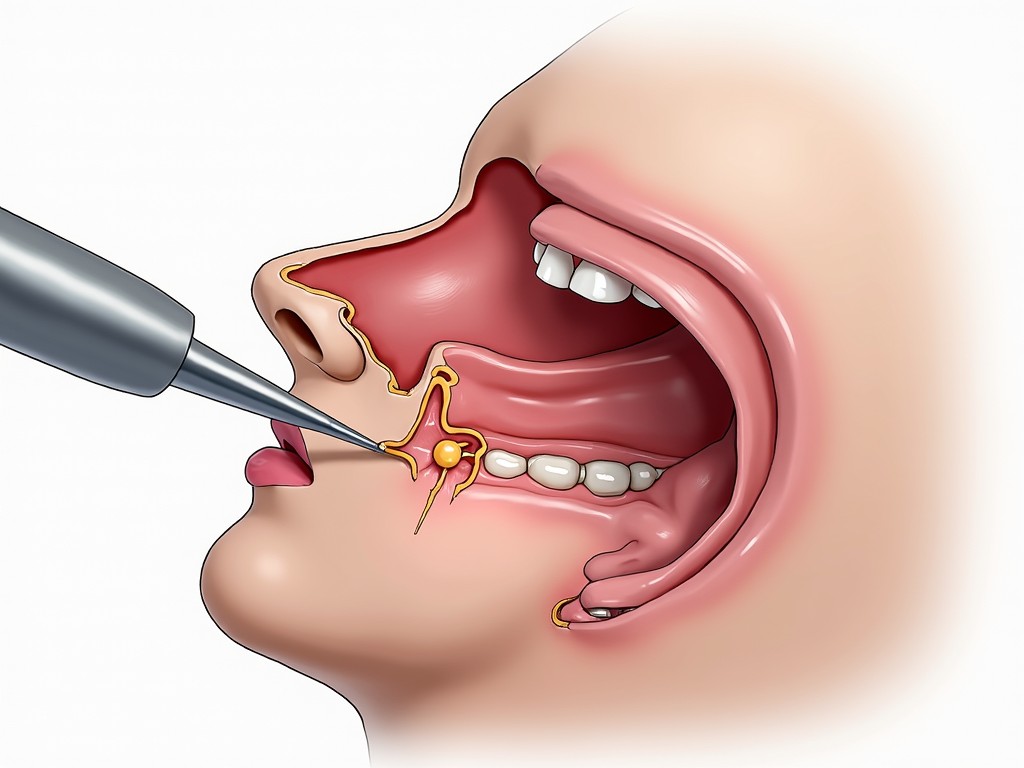
SMR concha surgery is a minimally invasive procedure that targets the concha hypertrophy—the abnormal enlargement of the nasal conchae. The conchae are bony and cartilaginous structures inside the nose that help humidify, warm, and filter the air we breathe. When they grow too large, they narrow the nasal passages, leading to persistent congestion, snoring, and even sleep apnea.
The Submucosal Resection technique removes only the excess bone and cartilage beneath the mucosal lining, preserving the mucosa itself. This approach maintains the natural function of the conchae while widening the airway, offering a durable solution without the need for extensive tissue removal.
Why Is SMR Concha Surgery Needed?
Several conditions can trigger concha hypertrophy, and when medical therapy fails, surgery becomes a viable option:
- Alergic rhinitis (hay fever) that causes chronic inflammation.
- Chronic sinusitis leading to persistent swelling.
- Septal deviation that forces the conchae to compensate.
- Long‑term exposure to air pollution or smoke.
- Hormonal changes or genetic predisposition.
When these factors combine to produce a narrowed nasal passage, SMR concha surgery can dramatically improve breathing, reduce snoring, and enhance sleep quality.
How Is SMR Concha Surgery Performed?
The procedure is typically done under local or general anesthesia and lasts between 30 and 60 minutes. Here’s a step‑by‑step overview:
1. Pre‑operative Preparation
The patient is evaluated by an ENT specialist, and imaging (CT or MRI) may be used to map the nasal anatomy.
2. Nasal Entry and Visualization
An endoscope is inserted into the nasal cavity, allowing the surgeon to view the conchae and surrounding structures in high definition.
3. Submucosal Resection
Using specialized instruments, the surgeon carefully removes the excess bone and cartilage beneath the mucosa. The mucosal layer remains intact, preserving the natural humidification and filtration functions.
4. Hemostasis and Support
Bleeding is controlled with cautery or topical agents. In some cases, a small nasal tampon or silicone splint is placed to support the airway during healing.
5. Post‑operative Care
Patients are usually discharged the same day, with instructions on nasal saline rinses, avoiding strenuous activity, and monitoring for bleeding.
Recovery and Expected Outcomes
Recovery from SMR concha surgery is generally quick, but it’s important to follow post‑operative guidelines to ensure optimal healing:
- First 48–72 hours: Mild congestion and occasional crusting are normal.
- Saline rinses: Use a saline spray or neti pot as prescribed to keep the nasal passages moist.
- Activity: Avoid heavy lifting or intense exercise for at least two weeks.
- Smoking & alcohol: Limit or avoid these substances to promote healing.
- Follow‑up: Attend scheduled appointments for tampon removal and to assess healing.
Most patients notice a significant reduction in congestion and improved sleep within a few weeks. Full recovery typically occurs within 2–4 weeks, though some individuals may experience lingering mild dryness or occasional nasal bleeding, which is usually self‑limiting.
Benefits and Risks of SMR Concha Surgery
Benefits
- Significant improvement in nasal airflow.
- Preservation of mucosal function.
- Short operative time and minimal downtime.
- Reduced reliance on medications.
- Potential improvement in sleep quality and overall quality of life.
Potential Risks
- Temporary post‑operative congestion or crusting.
- Rare infection or bleeding.
- Dryness or irritation of the nasal lining.
- In very rare cases, over‑resection leading to a widened airway that may cause dryness.
Who Is a Good Candidate?
SMR concha surgery is ideal for patients who:
- Have persistent nasal congestion despite medical therapy.
- Experience snoring or mild sleep apnea linked to nasal obstruction.
- Show concha hypertrophy on imaging or endoscopic examination.
- Are in good overall health and can tolerate anesthesia.
It’s essential to have a thorough evaluation by an ENT specialist to confirm that the benefits outweigh the risks for your specific situation.
Frequently Asked Questions
1. How long does the surgery take?
Typically 30–60 minutes, depending on the extent of hypertrophy.
2. Will I need a hospital stay?
Most patients are discharged the same day, but some may stay overnight for observation.
3. Can I resume normal activities immediately?
Light activities can resume within a day, but strenuous exercise should be avoided for at least two weeks.
4. Is the improvement permanent?
Yes, the structural changes are permanent, though nasal mucosa may continue to produce mucus, which can be managed with saline rinses.
Conclusion
When chronic nasal congestion interferes with daily life, SMR concha surgery offers a targeted, effective solution. By removing the excess bone and cartilage beneath the mucosa, the procedure widens the airway while preserving essential nasal functions. With a short operative time, minimal downtime, and lasting results, SMR concha surgery can transform the way you breathe, sleep, and live. If you’re experiencing persistent congestion, consult an ENT specialist to determine whether this procedure is right for you.
Considering treatment in Türkiye?
Get a free consultation and cost estimate from verified specialists.