
The Ultimate Guide to Vitamins: What They Are, Why You Need Them, and How to Get the Most Out of Your Diet
Introduction
When it comes to staying healthy, we often focus on exercise, sleep, and stress management. Yet, one of the most overlooked pillars of wellness is the tiny, powerful molecules known as vitamins. These organic compounds are essential for countless bodily functions, from energy production to immune defense. In this comprehensive guide, we’ll break down what vitamins are, why they matter, how they’re categorized, the foods that supply them, and what happens when you’re short on them. Whether you’re a nutrition newbie or a seasoned health enthusiast, this article will give you the knowledge you need to make informed dietary choices.
What Exactly Are Vitamins?
Vitamins are organic molecules that the body cannot synthesize in sufficient amounts—or at all—so they must be obtained through food or supplements. They act as co‑enzymes, antioxidants, and signaling molecules, enabling cells to perform their tasks efficiently. Think of them as the tiny but mighty helpers that keep your body’s machinery running smoothly.
Two Main Categories
- Fat‑Soluble Vitamins – A, D, E, and K. These dissolve in dietary fats, are absorbed with them, and can be stored in the liver and adipose tissue. Because they’re stored, excess amounts can become toxic.
- Water‑Soluble Vitamins – Vitamin C and the B‑complex (B1, B2, B3, B5, B6, B7, B9, B12). These dissolve in water, are not stored in large amounts, and excess is excreted in urine. Regular intake is therefore essential.
Why Your Body Needs Vitamins
Each vitamin plays a unique role in maintaining health. Below are some of the most critical functions:
- Vitamin A – Supports vision, skin health, and immune function.
- Vitamin D – Facilitates calcium absorption, bone health, and immune modulation.
- Vitamin C – Powerful antioxidant, collagen synthesis, and iron absorption.
- Vitamin E – Protects cell membranes from oxidative damage.
- Vitamin K – Essential for blood clotting and bone metabolism.
- B‑Complex – Energy metabolism, nervous system support, and red blood cell formation.
Common Vitamin Deficiencies and Their Symptoms
- Vitamin A deficiency – Night blindness, dry skin, and weakened immunity.
- Vitamin D deficiency – Bone pain, muscle weakness, and mood disturbances.
- Vitamin C deficiency – Scurvy: gum bleeding, fatigue, and poor wound healing.
- Vitamin B12 deficiency – Anemia, numbness, and memory issues.
- Vitamin K deficiency – Excessive bleeding and delayed wound healing.
How to Get Enough Vitamins from Food
While supplements can help, the best source of vitamins is a varied, balanced diet. Below is a quick reference of vitamin‑rich foods:
- Vitamin A – Carrots, sweet potatoes, spinach, liver, and fortified dairy.
- Vitamin D – Fatty fish (salmon, sardines), fortified milk, and sunlight exposure.
- Vitamin E – Almonds, sunflower seeds, spinach, and avocado.
- Vitamin K – Kale, broccoli, Brussels sprouts, and leafy greens.
- Vitamin C – Citrus fruits, strawberries, kiwi, bell peppers, and broccoli.
- B‑Complex – Whole grains, legumes, eggs, dairy, lean meats, and leafy greens.
Practical Tips for Maximizing Vitamin Intake
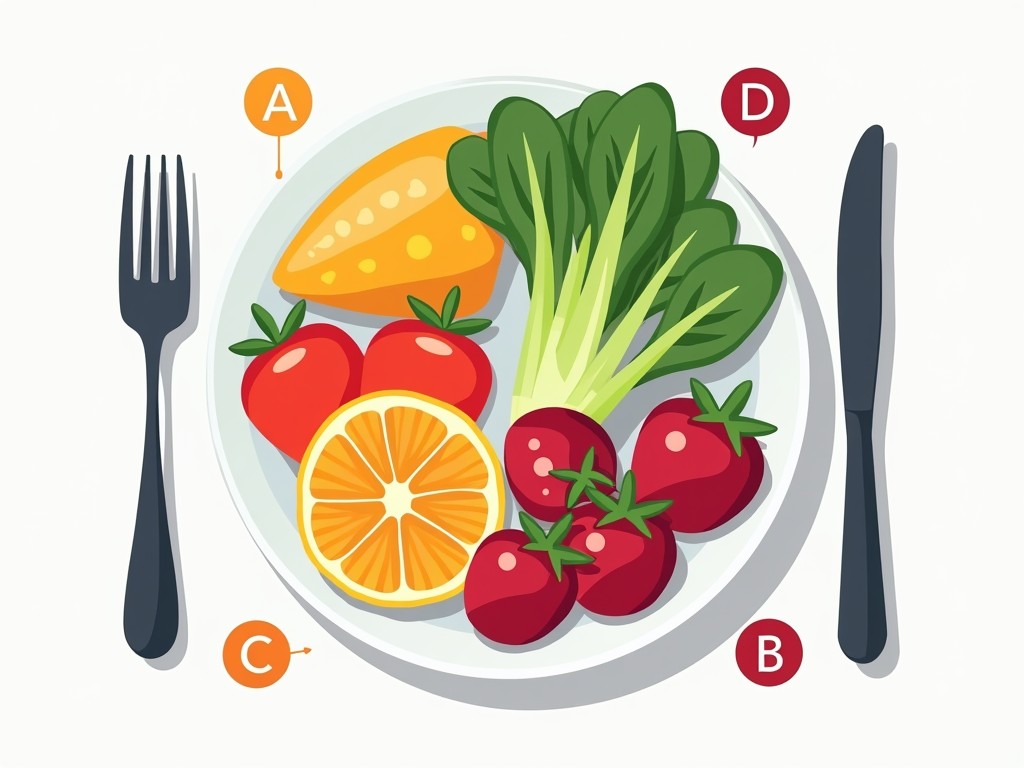
- Include a colorful plate: the more colors, the more nutrients.
- Pair vitamin C–rich foods with iron sources to boost absorption.
- Cook vegetables lightly to preserve water‑soluble vitamins.
- Use healthy fats (olive oil, avocado) to aid absorption of fat‑soluble vitamins.
- Consider a multivitamin only if you have a documented deficiency or dietary gaps.
When to Consider Vitamin Supplements
Supplements are not a substitute for a healthy diet but can be useful in certain scenarios:
- Pregnancy or breastfeeding (e.g., folic acid, DHA).
- Vegetarian or vegan diets (B12, D, iron).
- Older adults with reduced absorption (D, B12).
- Individuals with chronic illnesses or malabsorption disorders.
Potential Risks of Excessive Vitamin Intake
More isn’t always better. Over‑supplementation can lead to toxicity, especially with fat‑soluble vitamins:
- Vitamin A – Liver damage, birth defects, and headaches.
- Vitamin D – Hypercalcemia, kidney stones, and cardiovascular issues.
- Vitamin E – Increased bleeding risk.
- Vitamin K – Interference with anticoagulant medications.
Frequently Asked Questions
Can I get enough vitamins from a plant‑based diet?
Yes, but pay special attention to B12, D, and iron. Fortified foods and supplements can bridge gaps.
How much vitamin C should I take daily?
Adults typically need 75–90 mg/day. Athletes or smokers may benefit from slightly higher doses.
Is it safe to take a multivitamin every day?
Generally, yes, if you’re not exceeding the recommended daily allowances. However, consult a healthcare professional if you have underlying health conditions.
Conclusion
Vitamins are the unsung heroes of our health, orchestrating everything from energy production to immune defense. By understanding their roles, sources, and the balance required, you can make smarter dietary choices that support long‑term wellness. Remember: a colorful, varied diet is your first line of defense, and supplements should only fill specific gaps. Stay informed, stay balanced, and let your body thrive.
Considering treatment in Türkiye?
Get a free consultation and cost estimate from verified specialists.