
Understanding Eye Diseases: Causes, Symptoms, and Modern Treatments
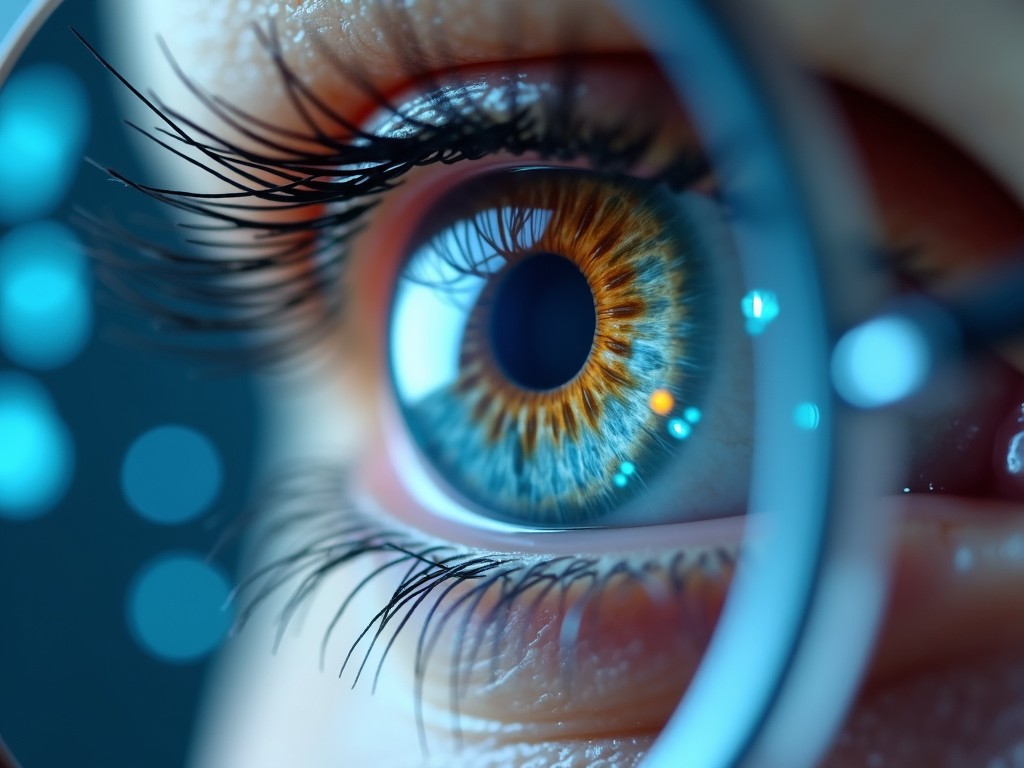
Eye health is a cornerstone of overall well‑being. Yet many people overlook the subtle warning signs of common eye diseases until irreversible damage has occurred. This guide demystifies the most prevalent ocular conditions—diabetic retinopathy, glaucoma, age‑related macular degeneration, retinal detachment, cataracts, and uveitis—explaining their causes, symptoms, diagnostic methods, and the latest therapeutic options. Whether you’re a patient, caregiver, or simply curious, this comprehensive overview equips you with the knowledge to protect your vision.
1. Diabetic Retinopathy: The Silent Threat to Vision
Diabetic retinopathy (DR) is the leading cause of blindness among adults aged 20‑65. It stems from damage to the retinal blood vessels caused by chronic hyperglycemia. Early stages present microaneurysms, hemorrhages, and edema, while advanced stages involve neovascularization, retinal detachment, and irreversible vision loss.
Key Symptoms
- Flashing lights or floaters
- Blurred or distorted vision
- Sudden vision loss in one eye
Diagnostic Tools
- Fundus photography and fluorescein angiography
- Optical coherence tomography (OCT) for micro‑resolution imaging
- Regular dilated eye exams every 6–12 months
Treatment Strategies
- Laser photocoagulation to seal leaking vessels
- Intravitreal anti‑VEGF injections for neovascularization
- Vitrectomy in cases of severe hemorrhage or retinal detachment
- Strict glycemic control and blood pressure management
2. Glaucoma: The Quiet Eye Killer
Glaucoma damages the optic nerve, often without pain or early symptoms. Elevated intraocular pressure (IOP) is a major risk factor, but normal‑pressure glaucoma also exists. Early detection via visual field testing and optic nerve imaging is critical.
Types of Glaucoma
- Primary open‑angle glaucoma (most common)
- Angle‑closure glaucoma (rapid onset)
- Secondary glaucoma (due to other eye conditions)
Management Options
- Topical eye drops to lower IOP
- Laser trabeculoplasty for open‑angle cases
- Trabeculectomy or tube shunt surgery for refractory disease
- Regular monitoring of visual fields and optic disc
3. Age‑Related Macular Degeneration (AMD)
AMD affects the macula, the central part of the retina responsible for sharp vision. The disease progresses from a dry form—slowly thinning retinal pigment epithelium—to a wet form characterized by abnormal blood vessel growth.
Risk Factors
- Age over 60
- Smoking
- Family history
- High cholesterol and hypertension
Treatment Modalities
- Photodynamic therapy for early wet AMD
- Intravitreal anti‑VEGF injections (e.g., ranibizumab, aflibercept)
- Low‑vision aids and rehabilitation for advanced stages
4. Retinal Detachment: A Medical Emergency
Retinal detachment occurs when the retina separates from the underlying support tissue. Symptoms include sudden flashes, floaters, and a curtain‑like shadow across vision.
Risk Factors
- Myopia (nearsightedness)
- Previous eye surgery or trauma
- Family history of retinal detachment
Prevention & Treatment
- Early laser photocoagulation or cryotherapy to seal retinal tears
- Vitrectomy for complex detachments
- Silicone oil or gas tamponade to reattach the retina
5. Cataracts: The Most Common Lens Opacity
Cataracts develop when the eye’s natural lens becomes clouded, usually due to aging. Symptoms include blurred vision, glare, and color distortion.
Treatment
- Phacoemulsification: ultrasonic emulsification of the lens followed by intraocular lens implantation
- Laser‑assisted cataract surgery for precise capsulorhexis
- Post‑operative eye drops to prevent inflammation
6. Uveitis: Inflammation of the Eye’s Vascular Layer
Uveitis can be idiopathic or secondary to systemic diseases such as sarcoidosis, Behçet’s disease, or infections. It presents with redness, pain, photophobia, and vision loss.
Diagnostic Work‑up
- Slit‑lamp examination
- Anterior chamber paracentesis for cytology
- Systemic work‑up (blood tests, imaging)
Treatment
- Topical or systemic corticosteroids
- Immunosuppressive agents (e.g., methotrexate, cyclosporine)
- Adjunctive mydriatics to prevent synechiae
Frequently Asked Questions
- Q: How often should I get an eye exam?
- A: Adults should have a comprehensive eye exam every 1–2 years; diabetics and glaucoma patients require more frequent visits.
- Q: Can lifestyle changes prevent eye diseases?
- A: Yes—maintaining a healthy diet, quitting smoking, controlling blood sugar and blood pressure, and wearing UV‑blocking sunglasses reduce risk.
- Q: Are there non‑surgical options for retinal detachment?
- A: Early laser or cryotherapy can seal retinal tears before detachment occurs; once detached, surgery is usually necessary.
Conclusion
Eye diseases such as diabetic retinopathy, glaucoma, AMD, retinal detachment, cataracts, and uveitis can silently erode vision if left unchecked. Early detection through regular eye exams, coupled with modern diagnostic imaging and targeted therapies, offers the best chance to preserve sight. If you notice any visual changes—flashes, floaters, blurred vision—consult an ophthalmologist promptly. Your eyes deserve proactive care, and the right knowledge can keep your vision sharp for a lifetime.
Considering treatment in Türkiye?
Get a free consultation and cost estimate from verified specialists.