
Uterine Fibroid Surgery Without Hysterectomy: 8 Key Advantages & Modern Techniques
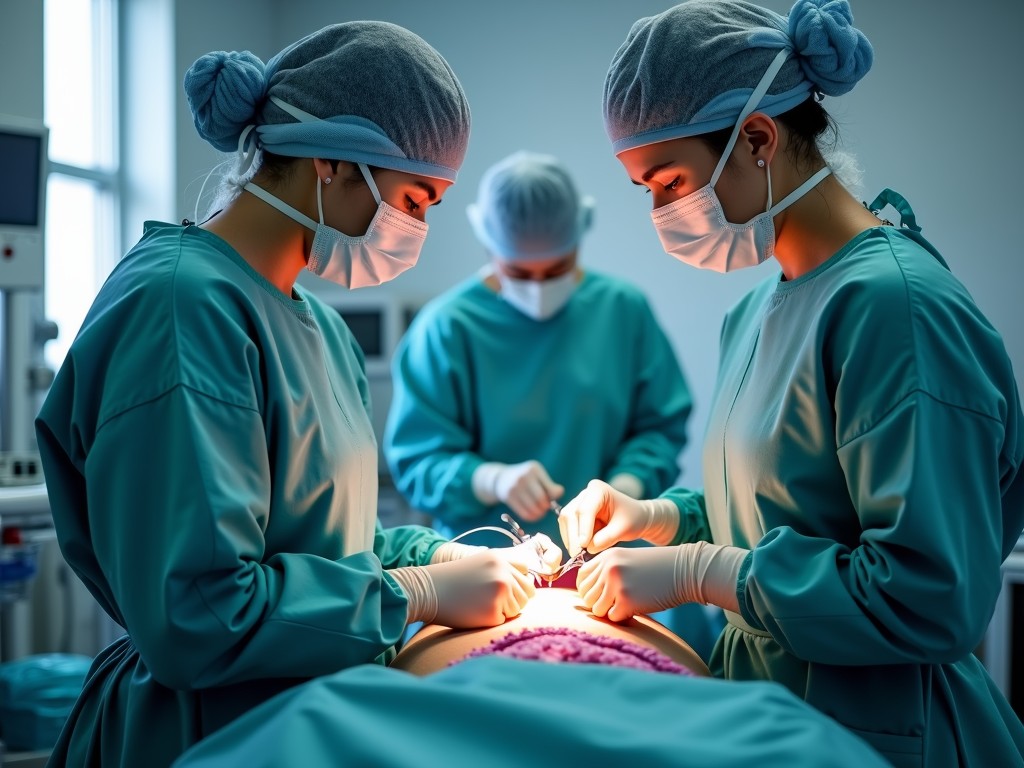
When a woman discovers she has uterine fibroids, the first thought often is a hysterectomy. However, advances in minimally invasive surgery have made it possible to remove fibroids while preserving the uterus. This approach not only reduces physical trauma but also safeguards future fertility and improves quality of life. In this article, we explore the top eight benefits of uterine fibroid surgery without hysterectomy, the cutting‑edge techniques used, and real patient stories that illustrate the transformative impact of this procedure.
Why Choose Uterine Fibroid Surgery Without Hysterectomy?
Traditional open surgery can leave large scars, cause significant bleeding, and prolong recovery. Modern uterine‑preserving techniques—laparoscopy, hysteroscopy, and VNOTES (Vaginal Natural Orifice Transluminal Endoscopic Surgery)—offer a less invasive alternative. Below are the primary advantages that make this option increasingly popular among women who wish to keep their uterus.
1. Fertility Preservation
Removing fibroids without removing the uterus keeps the reproductive tract intact. Women who plan to conceive can do so with a higher chance of a healthy pregnancy, as the procedure often corrects uterine distortion caused by fibroids.
2. Minimal Invasiveness
- Small incisions or natural orifice access reduce tissue damage.
- Lower risk of infection and bleeding.
- Less postoperative pain and quicker mobilization.
3. Cosmetic and Psychological Benefits
Because the surgery leaves no visible scars, patients experience a boost in self‑confidence. The psychological relief of avoiding a hysterectomy—often associated with loss of identity—cannot be overstated.
4. Rapid Return to Daily Life
Patients typically resume normal activities within 4–6 weeks, and many return to work within a week or two. This is a stark contrast to the 4–6 week recovery required after a traditional hysterectomy.
5. Reduced Blood Loss
Closed‑technique surgeries use advanced energy devices and precise dissection, limiting intra‑operative bleeding. This is especially important for women with anemia or those who wish to avoid transfusions.
6. Lower Risk of Adhesions
Adhesions can cause chronic pain and infertility. Minimally invasive approaches create fewer adhesions, preserving pelvic anatomy and function.
7. Versatility for Different Fibroid Types
Whether fibroids are submucosal, intramural, or subserosal, modern techniques can target them effectively. Surgeons can combine laparoscopy with hysteroscopy to address multiple locations in a single session.
8. High Success Rates and Patient Satisfaction
Studies show that up to 95% of patients experience symptom relief after uterine‑preserving fibroid removal. Satisfaction scores are consistently high, with many patients reporting improved menstrual flow, reduced pelvic pain, and restored fertility.
Modern Surgical Techniques Explained
Below is a quick guide to the most common methods used to remove fibroids while keeping the uterus intact.
Laparoscopic Myomectomy
Using a camera and specialized instruments inserted through small abdominal incisions, the surgeon excises fibroids layer by layer. The uterus is repaired with sutures that restore its shape and function.
Hysteroscopic Myomectomy
Ideal for submucosal fibroids that protrude into the uterine cavity. A hysteroscope is inserted through the cervix, allowing the surgeon to cut and remove the fibroid without any abdominal incisions.
VNOTES (Vaginal Natural Orifice Transluminal Endoscopic Surgery)
This innovative technique accesses the uterus through the vagina, eliminating external scars entirely. It is especially appealing for patients concerned about cosmetic outcomes.
Combined Approaches
In complex cases, surgeons may combine laparoscopy, hysteroscopy, and VNOTES to address fibroids in multiple locations efficiently.
Patient Success Stories
Real experiences underscore the tangible benefits of uterine‑preserving surgery.
- Case 1: A 30‑year‑old woman with 153 fibroids underwent a 55‑minute laparoscopic procedure. She was discharged the same day and is now planning her first pregnancy.
- Case 2: A 31‑year‑old patient with 125 fibroids received a combined laparoscopic and hysteroscopic removal. She reported a dramatic reduction in heavy bleeding and is now actively pursuing fertility treatments.
- Case 3: A 25‑year‑old with an 8‑cm fibroid had an incision‑free VNOTES surgery, leaving no visible scar and allowing her to return to work within a week.
Frequently Asked Questions
1. Is uterine‑preserving fibroid surgery suitable for all women?
Not every case is a fit. Surgeons evaluate fibroid size, number, location, and the patient’s overall health. Generally, fibroids up to 10 cm and those not suspected of malignancy are good candidates.
2. How long does the surgery take?
Procedure time varies: laparoscopic myomectomy typically lasts 1–2 hours, while VNOTES can be completed in 30–60 minutes for smaller fibroids.
3. What is the recovery timeline?
Patients often leave the hospital the same day or the next. Full recovery—return to normal activities and sexual function—usually occurs within 4–6 weeks.
4. Are there risks of recurrence?
Fibroids can recur, but the risk is lower when the uterus is preserved and the fibroids are completely removed. Regular follow‑up ultrasounds help monitor for new growth.
5. Will this affect future pregnancies?
Most women who undergo uterine‑preserving surgery have successful pregnancies. However, each case is unique; a pre‑conception consultation is recommended.
Choosing the Right Surgeon and Clinic
Expertise matters. Surgeons like Prof. Dr. Hanifi Şahin, who has performed over 200 myomectomies in a single uterus, bring unparalleled skill and experience. When selecting a clinic, consider:
- Surgeon’s volume and success rates.
- Availability of advanced equipment (laparoscopic, hysteroscopic, VNOTES).
- Patient testimonials and post‑operative support.
Conclusion
Uterine fibroid surgery without hysterectomy offers a modern, patient‑centric solution that balances effective symptom relief with fertility preservation, minimal scarring, and rapid recovery. With the right surgeon and a personalized treatment plan, women can reclaim their health and future without compromising their identity.
Ready to explore this option? Contact a reputable gynecologic surgeon today and take the first step toward a fibroid‑free life.
Considering treatment in Türkiye?
Get a free consultation and cost estimate from verified specialists.