
What Movements to Avoid with a Herniated Disc: A Practical Guide to Back Pain Relief
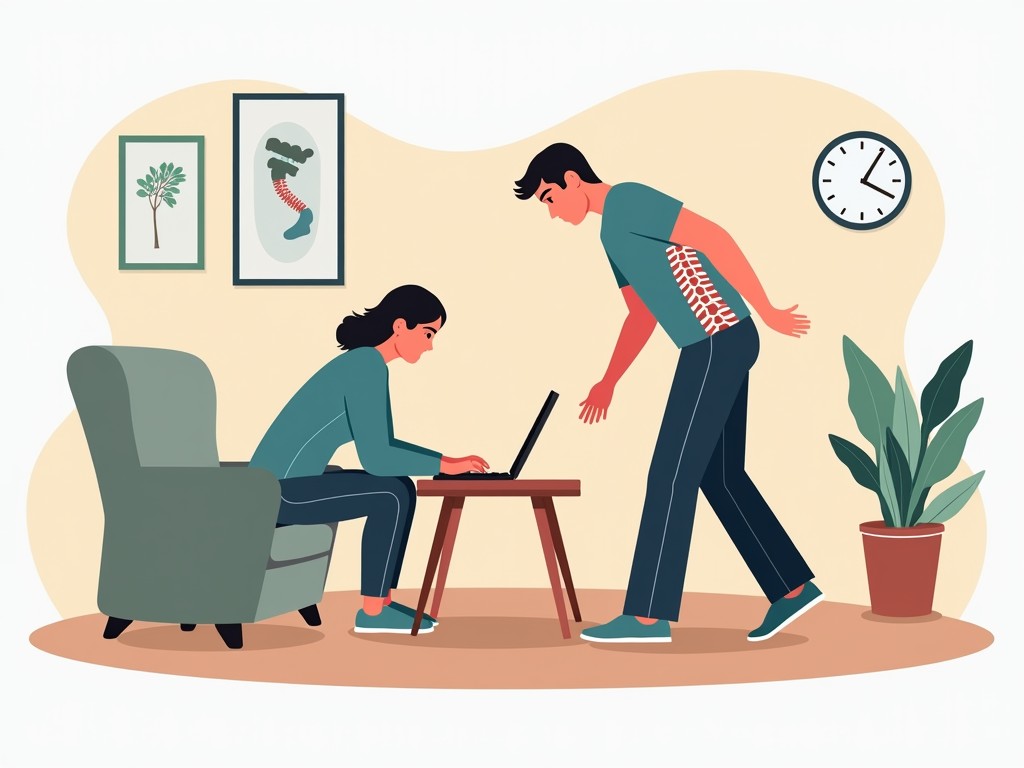
Back pain is a common complaint, but when it’s caused by a herniated disc, the stakes are higher. A herniated disc can press on nerves, leading to sharp pain, numbness, and even weakness in the legs. While medical treatment is essential, everyday habits play a huge role in managing symptoms and preventing flare‑ups. This guide explains the movements you should steer clear of, offers safer alternatives, and gives you a clear action plan to protect your spine.
Understanding the Herniated Disc
A herniated disc occurs when the soft, gel‑like center of a spinal disc pushes through a tear in the tougher outer layer. The protrusion can irritate nearby nerves, causing pain that radiates down the legs (sciatica). The most common locations are the lumbar (lower back) and cervical (neck) regions, but the lumbar area is where most people experience discomfort.
Why Certain Movements Matter
Every movement you make applies forces to your spine. Some motions increase pressure on the disc or stretch the surrounding ligaments, while others help maintain stability. Knowing which actions are harmful can help you avoid unnecessary strain and keep your back from deteriorating further.
Movements to Avoid with a Herniated Disc
Below is a concise list of actions that can aggravate a herniated disc. If you’re experiencing back pain, it’s best to eliminate or modify these movements.
- Heavy Lifting – Especially when you bend at the waist. The sudden load can compress the disc and worsen the herniation.
- Sudden Twisting or Rotational Movements – Rapid turns while the spine is flexed or extended can shear the disc.
- Prolonged Forward Bending – Sitting or standing with a forward‑leaning posture for extended periods increases disc pressure.
- High‑Impact Activities – Running, jumping, or any sport that involves repeated impact can destabilize the spine.
- Rapid or Forceful Squats – Squatting with a bent back or without proper form places excessive load on the lumbar region.
- Standing or Sitting for Long Hours in the Same Position – Static postures can lead to stiffness and increased disc stress.
- Using Improper Lifting Techniques – Lifting with the back instead of the legs, or twisting while lifting.
- Excessive Back Extension – For example, arching the back sharply during certain yoga poses or gymnastics.
Daily Habits for Back Health
Adopting mindful habits can reduce the risk of flare‑ups and promote healing. Here are practical tips you can incorporate into your routine:
- Maintain Good Posture – Keep your spine neutral. When sitting, use an ergonomic chair and place a small pillow behind your lower back.
- Use Proper Lifting Techniques – Bend at the knees, keep the back straight, and lift with your legs.
- Take Frequent Breaks – If you sit for long periods, stand up and walk for a minute every 30 minutes.
- Choose the Right Mattress – A medium‑firm mattress supports the spine without sagging or being too hard.
- Control Your Weight – Excess body weight adds pressure to the lumbar discs.
- Stay Hydrated and Eat a Balanced Diet – Adequate nutrition supports spinal health.
Safe Exercise Options for a Herniated Disc
Exercise is a cornerstone of back pain management, but the type and intensity matter. Below are low‑impact activities that strengthen the core and improve flexibility without overloading the spine.
- Walking – A gentle, steady pace keeps the discs lubricated.
- Swimming or Water Aerobics – Buoyancy reduces spinal load while providing resistance.
- Yoga (Gentle Poses) – Focus on poses that maintain a neutral spine, such as Cat‑Cow, Child’s Pose, and gentle twists.
- Pilates – Core‑strengthening exercises like the Pelvic Tilt, Bridge, and Plank (modified if needed).
- Stationary Cycling – Low impact on the spine, but avoid over‑extension of the back.
Always warm up with light stretches before exercising and cool down afterward. If a movement causes pain, stop immediately and consult a physiotherapist.
Common Questions About Herniated Disc Movements
Can I lift weights if I have a herniated disc?
Only if you use proper form and avoid heavy loads. It’s best to work with a qualified trainer or physiotherapist to design a safe program.
Is it safe to do push‑ups?
Standard push‑ups can strain the lower back if performed incorrectly. Try wall push‑ups or knee‑supported push‑ups to reduce load.
Will climbing stairs hurt my back?
Climbing stairs at a moderate pace can strengthen the lower back, but avoid rushing or carrying heavy bags.
What should I do if I feel a sudden sharp pain?
Stop the activity, apply a cold pack for 15–20 minutes, and seek medical advice if pain persists.
Conclusion
Managing a herniated disc is a balance between protecting the spine and staying active. By avoiding high‑risk movements, adopting healthy daily habits, and engaging in low‑impact exercises, you can reduce pain, prevent further damage, and improve your quality of life. Remember, every individual’s condition is unique—always consult a healthcare professional before making significant changes to your routine.
Considering treatment in Türkiye?
Get a free consultation and cost estimate from verified specialists.