
Zirconia Teeth: The Ultimate Guide to Durable, Aesthetic Dental Restorations
Introduction
When it comes to restoring missing or damaged teeth, patients and dentists alike are increasingly turning to zirconia-based solutions. Zirconia teeth—whether in the form of crowns, veneers, or bridges—offer a blend of strength, translucency, and biocompatibility that traditional materials simply cannot match. In this comprehensive guide, we’ll explore why zirconia has become the gold standard in modern dentistry, the different types of zirconia restorations available, the step‑by‑step procedure, maintenance tips, cost considerations, and common questions you might have.
What Are Zirconia Teeth?
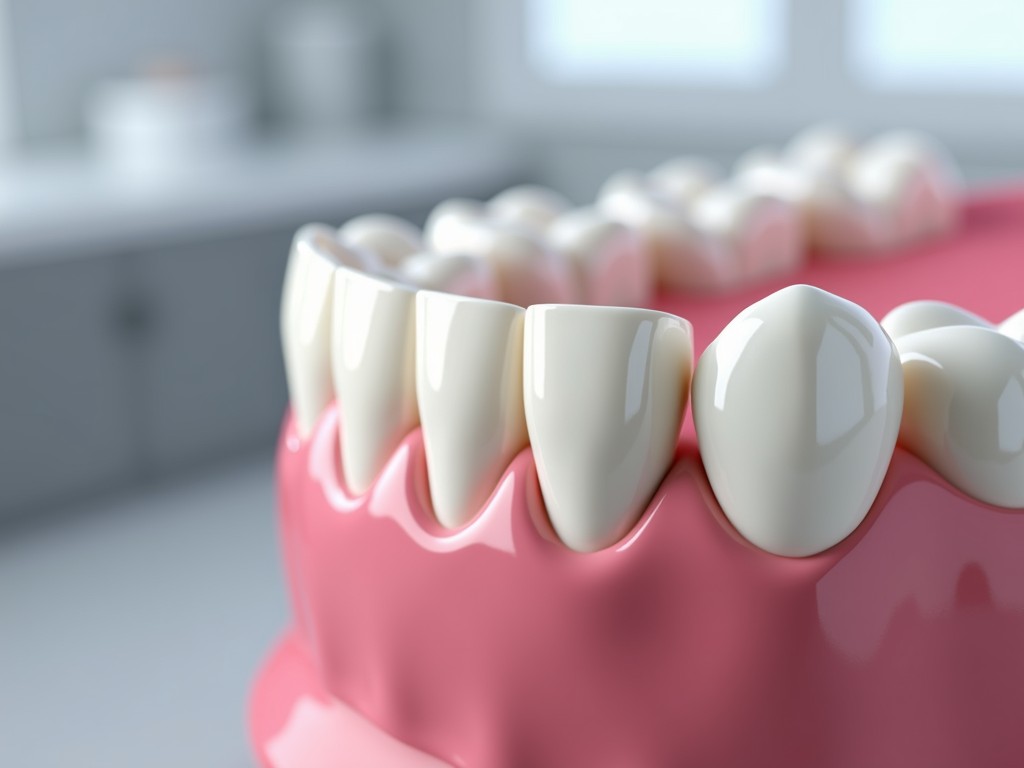
Zirconia, or zirconium dioxide, is a ceramic material known for its exceptional hardness and resistance to fracture. When used in dental restorations, it mimics the natural translucency of enamel while providing the durability of a metal alloy—yet without any metal at all. This makes zirconia an ideal choice for front‑teeth aesthetics and for patients with metal sensitivities.
Key Advantages
- Natural Appearance: High light‑transmission gives a lifelike shine.
- Biocompatibility: Low risk of allergic reactions.
- Strength: Resistant to chipping and fracture under biting forces.
- Thermal Insulation: Reduces sensitivity to hot and cold foods.
- Longevity: Can last 15–20 years with proper care.
Types of Zirconia Dental Restorations
Depending on your dental needs, zirconia can be fashioned into several different restoration types:
1. Monolithic Zirconia Crowns
Made from a single block of zirconia, these crowns are highly durable and require minimal material removal from the natural tooth.
2. Translucent Zirconia Veneers
Thin, highly translucent layers that are ideal for front‑teeth cosmetic corrections such as discoloration or minor shape changes.
3. Layered (Hybrid) Zirconia
Combines a zirconia core with a porcelain overlay, offering both strength and superior aesthetics for larger restorations.
4. Zirconia Bridges
Span one or more missing teeth by anchoring to adjacent natural teeth or implants, using zirconia as the core material.
5. Implant‑Supported Zirconia Crowns
Placed directly on dental implants, these crowns provide a metal‑free, highly aesthetic solution for tooth replacement.
The Zirconia Restoration Process
Below is a typical workflow for a zirconia crown or veneer procedure:
- Initial Consultation & Examination – Your dentist evaluates tooth structure, bite alignment, and overall oral health.
- Impression & Digital Scanning – Precise measurements are taken to design a custom restoration.
- Temporary Restoration – A provisional crown or veneer protects the tooth while the permanent piece is fabricated.
- Lab Fabrication – Skilled technicians create the zirconia restoration in a dental lab.
- Final Placement – The permanent restoration is cemented onto the tooth, and adjustments are made for fit and aesthetics.
- Post‑Op Care & Follow‑Up – Regular check‑ups ensure the restoration remains in optimal condition.
Maintenance & Longevity
To keep your zirconia restoration looking its best, follow these simple guidelines:
- Brush twice daily with a soft‑bristle brush.
- Floss daily to remove plaque between teeth.
- Use fluoride toothpaste to strengthen enamel.
- Avoid chewing on hard objects (ice, pens).
- Schedule dental check‑ups every 6 months.
Cost Considerations
Zirconia restorations are typically more expensive than conventional porcelain or composite options due to the material’s high quality and the precision required in fabrication. However, the long lifespan and reduced need for replacements often make them a cost‑effective choice over time. Factors influencing price include:
- Number of teeth being restored.
- Type of zirconia (monolithic vs. layered).
- Lab complexity and customization.
- Dentist’s experience and clinic location.
Frequently Asked Questions
Q1: Are zirconia crowns suitable for all patients?
A1: Yes, but patients with bruxism (teeth grinding) may need additional protective measures. Your dentist will assess suitability based on bite dynamics.
Q2: Can I eat hot or cold foods with zirconia restorations?
A2: Absolutely. Zirconia’s thermal insulation reduces sensitivity, allowing you to enjoy a wide range of temperatures.
Q3: How long does the procedure take?
A3: The entire process—from consultation to final placement—usually spans 2–3 visits over 2–3 weeks.
Q4: Will my insurance cover zirconia crowns?
A4: Coverage varies. Many plans cover a portion of the cost, especially if the restoration is medically necessary.
Conclusion
Zirconia teeth represent a breakthrough in dental restoration technology, marrying the best of aesthetics and durability. Whether you’re looking to replace a single tooth, correct a cosmetic flaw, or restore a full arch, zirconia offers a reliable, metal‑free solution that stands the test of time. Consult with a qualified dentist to determine the best zirconia restoration for your unique needs and enjoy a confident, natural smile for years to come.
Considering treatment in Türkiye?
Get a free consultation and cost estimate from verified specialists.