
Laparoscopy Explained: Diagnostic & Surgical Benefits, Procedure, and Recovery
Introduction
When it comes to diagnosing and treating gynecological conditions, laparoscopy has become the gold standard. This minimally invasive technique offers precise visualization, reduced recovery time, and lower complication rates compared to traditional open surgery. Whether you’re a patient considering the procedure or a healthcare professional seeking a refresher, this guide covers everything you need to know about diagnostic and surgical laparoscopy.
What Is Laparoscopy?
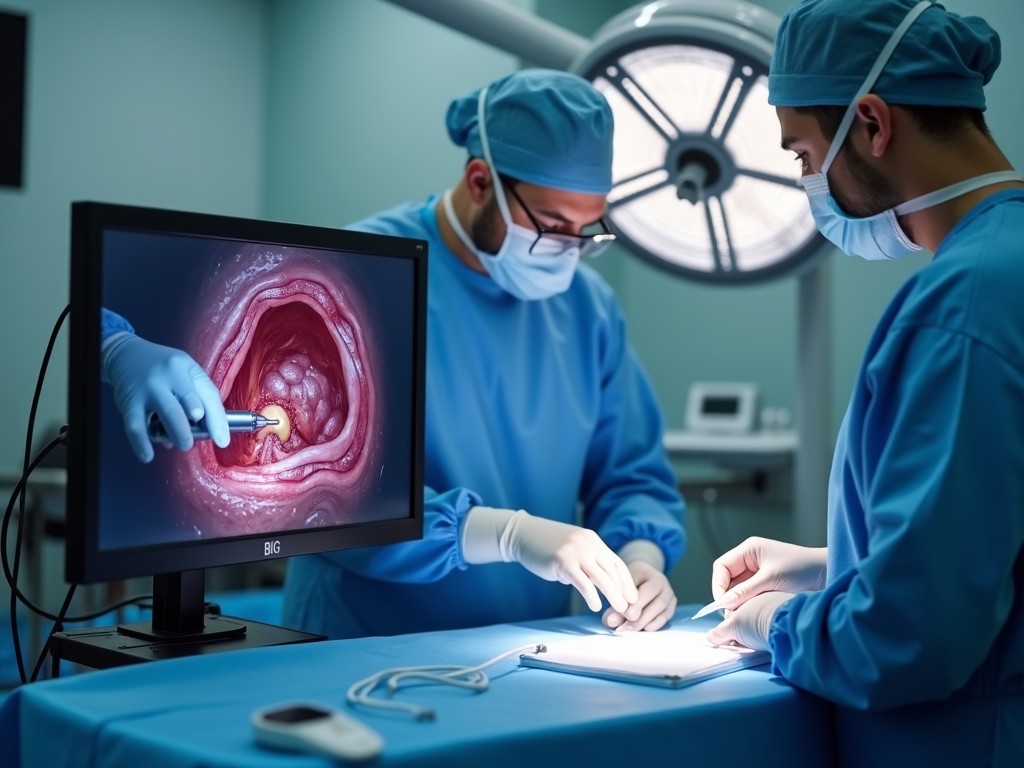
Laparoscopy, also known as minimally invasive surgery, involves inserting a thin, lighted instrument called a laparoscope through small incisions in the abdomen. The laparoscope transmits images to a monitor, allowing the surgeon to view internal organs in real time. By insufflating the abdomen with carbon dioxide gas, the surgeon creates a working space, keeping organs safely away from the incision sites.
Diagnostic Laparoscopy: Pinpointing Gynecological Issues
Diagnostic laparoscopy is performed to confirm the presence of conditions such as endometriosis, uterine fibroids, congenital uterine anomalies, ovarian cysts, adhesions, and ectopic pregnancies. It is also a valuable tool for evaluating infertility causes.
When Is Diagnostic Laparoscopy Recommended?
- Persistent lower abdominal or pelvic pain
- Unexplained infertility or recurrent pregnancy loss
- Suspected endometriosis or ovarian cysts
- History of pelvic inflammatory disease or abdominal surgery
- Symptoms of ectopic pregnancy or unexplained bleeding
Procedure Overview
The patient is placed under general anesthesia. A small incision is made near the navel, and a trocar is inserted. Carbon dioxide gas inflates the abdomen, creating a safe space for the laparoscope. Additional small incisions allow the insertion of secondary instruments for tissue sampling or biopsies. If an abnormality is found, the procedure can be converted to a therapeutic laparoscopic surgery.
Surgical Laparoscopy: Treating Gynecological Conditions
Surgical laparoscopy enables the removal or repair of various gynecological problems with minimal trauma. Common indications include:
- Removal of ovarian cysts or fibroids
- Treatment of endometriosis lesions
- Repair of fallopian tube obstructions
- Management of ectopic pregnancies
- Partial or total hysterectomy with ovarian removal
Key Surgical Tools and Techniques
During the operation, the surgeon may use:
- Scissors and forceps for tissue dissection
- Laparoscopic cautery or laser for precise cutting
- Energy devices for hemostasis
- Endoscopic suturing systems for closing defects
- Biopsy forceps for tissue sampling
Benefits of Laparoscopic Surgery
- Smaller incisions → less postoperative pain
- Reduced blood loss and infection risk
- Shorter hospital stays and faster return to daily activities
- Improved cosmetic outcomes
- Enhanced visualization of pelvic anatomy
Recovery After Laparoscopy
Most patients experience mild abdominal tenderness and bruising around the incision sites. Common postoperative sensations include:
- Abdominal bloating due to residual gas
- Shoulder or chest discomfort from gas insufflation
- Nausea or dizziness related to anesthesia
Typical recovery timeline:
- Day 1–2: Light activity, gradual return to work
- Day 3–5: Most patients resume normal daily routines
- Follow-up: 1–2 weeks post‑op for suture removal and assessment
Watch for warning signs such as severe abdominal pain, vomiting, fever, or bleeding from incision sites. If any of these occur, contact your surgeon immediately.
Frequently Asked Questions
Is laparoscopy safe for all patients?
When performed by an experienced surgeon, laparoscopy is generally safe. However, certain conditions—such as severe obesity, extensive abdominal adhesions, or active infections—may increase risks or necessitate open surgery.
How long does a laparoscopic procedure take?
Diagnostic laparoscopy typically lasts 30–60 minutes, while therapeutic procedures can range from 60 to 180 minutes depending on complexity.
Will I need a hospital stay?
Many laparoscopic surgeries are done on an outpatient basis. In some cases, a short overnight stay may be required for monitoring.
Can laparoscopy be used for infertility treatment?
Yes. Diagnostic laparoscopy can identify structural causes of infertility, and surgical laparoscopy can remove endometriosis lesions or adhesions that impede conception.
Conclusion
Laparoscopy offers a precise, minimally invasive approach to diagnosing and treating a wide range of gynecological conditions. With its reduced pain, quicker recovery, and excellent visualization, it stands as the preferred method for many surgeons and patients alike. If you’re experiencing unexplained pelvic symptoms or infertility, discuss laparoscopic options with your healthcare provider to determine the best individualized plan.
Considering treatment in Türkiye?
Get a free consultation and cost estimate from verified specialists.