
Office Workers & Hemorrhoids: Why Sitting Too Long Is Dangerous & How to Prevent It
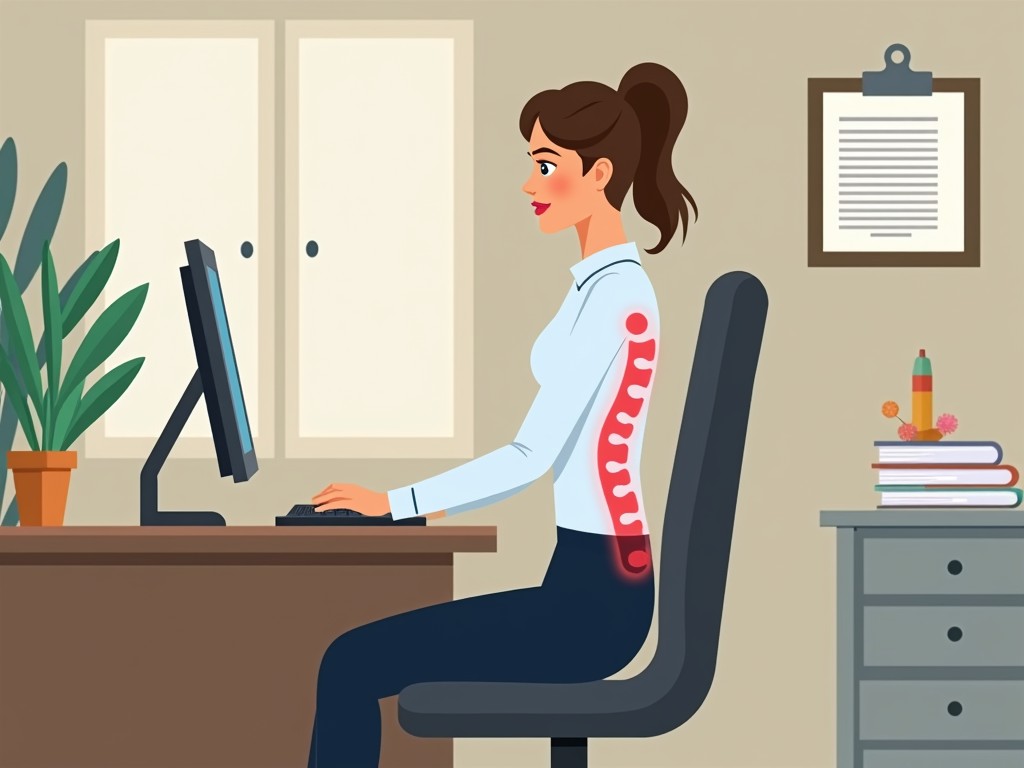
In today’s digital age, the office desk has become a permanent companion for many professionals. While it boosts productivity, it also brings hidden health risks—especially for the pelvic region. If you spend more than eight hours a day seated, you might be unknowingly increasing your chances of developing hemorrhoids. This article explains why office workers are particularly vulnerable, identifies the common pitfalls, and offers practical, evidence‑based preventive habits to keep you comfortable and healthy.
Why Office Workers Are at Higher Risk for Hemorrhoids
Hemorrhoids are swollen veins in the rectal area that can cause pain, itching, and bleeding. The primary trigger is prolonged pressure on the veins around the anus. In an office setting, the combination of long sitting periods, poor ergonomics, and lifestyle habits creates a perfect storm:
- Continuous pressure: The weight of the upper body and the force of gravity keep the pelvic veins compressed.
- Reduced blood flow: Sitting slows venous return, leading to blood pooling.
- Stagnant bowel movements: Lack of movement can slow digestion, increasing the risk of constipation.
- Stress & dehydration: Office stress and low fluid intake further aggravate constipation.
How Prolonged Sitting Increases Hemorrhoid Risk
When you sit for extended periods, the veins around the anus experience constant pressure. Over time, this pressure causes:
- Venous stasis (blood pooling)
- Inflammation and swelling of the vein walls
- Increased likelihood of thrombosis (blood clot formation) inside the hemorrhoid
Additionally, a sedentary lifestyle slows down bowel movements. Hard, dry stools require more straining during defecation, which further stresses the anal veins.
Common Mistakes That Exacerbate the Problem
1. Skipping Breaks
Many office workers stay at their desks for 45–60 minutes without moving. This habit disrupts blood circulation and encourages constipation.
2. Poor Ergonomics
Slouching, uneven foot placement, or a chair that doesn’t support the lower back increases pelvic pressure.
3. Low Fluid & Fiber Intake
Skipping water and eating processed foods leads to hard stools and prolonged straining.
4. Delaying Bathroom Trips
Ignoring the urge to go can cause stool to dry out and become harder.
When Silent Hemorrhoids Become a Problem
Early-stage hemorrhoids may only cause mild fullness or itching. However, if left untreated, they can progress to:
- Thrombosed hemorrhoids—sharp, severe pain and swelling.
- Prolapsed hemorrhoids—visible protrusion that may require manual reduction.
- Chronic bleeding—especially during bowel movements.
These complications can severely impact work performance and quality of life.
Office Environment Factors That Trigger Hemorrhoids
- Inadequate seating: Chairs that lack lumbar support or have uneven surfaces.
- Dry indoor air: Decreases hydration of the stool.
- High stress: Alters gut motility and increases constipation.
- Temperature extremes: Air conditioning blowing directly on the lower back can cause local vasoconstriction.
Preventive Habits for Desk Workers
1. Move Regularly
- Stand up every 30–45 minutes.
- Take a 5‑minute walk around the office.
- Use a standing desk or a treadmill desk if possible.
2. Optimize Ergonomics
- Choose an ergonomic chair with lumbar support.
- Keep feet flat on the floor or on a footrest.
- Maintain a neutral spine—avoid slouching.
3. Hydrate & Eat Fiber
- Drink at least 2–2.5 liters of water daily.
- Include whole grains, fruits, vegetables, and legumes.
- Limit processed foods and sugary snacks.
4. Manage Stress
- Practice deep‑breathing exercises for 2–3 minutes each hour.
- Take short mindfulness breaks.
- Schedule regular physical activity outside work.
5. Respect Bathroom Signals
- Don’t postpone bowel movements.
- Use a footstool to elevate feet during defecation—this reduces straining.
Frequently Asked Questions
Q: Can hemorrhoids be completely prevented?
While you can’t guarantee 100% prevention, adopting the habits above dramatically reduces risk and helps manage early symptoms.
Q: How soon should I see a doctor if I notice symptoms?
Consult a healthcare professional if you experience bleeding, persistent pain, or a noticeable lump that doesn’t resolve with simple measures.
Q: Are there office-friendly exercises for hemorrhoid prevention?
Yes—seated leg lifts, pelvic tilts, and gentle abdominal stretches can improve circulation without leaving your desk.
Conclusion
For office workers, the risk of hemorrhoids is not just a medical concern—it’s a productivity issue. By understanding the mechanisms behind prolonged sitting, recognizing common pitfalls, and implementing simple preventive habits, you can protect your pelvic health and maintain a comfortable, efficient workday. Start moving, stay hydrated, and keep your workspace ergonomically sound—your future self will thank you.
Considering treatment in Türkiye?
Get a free consultation and cost estimate from verified specialists.