
Prostate Cancer Management: From Diagnosis to Advanced Treatments
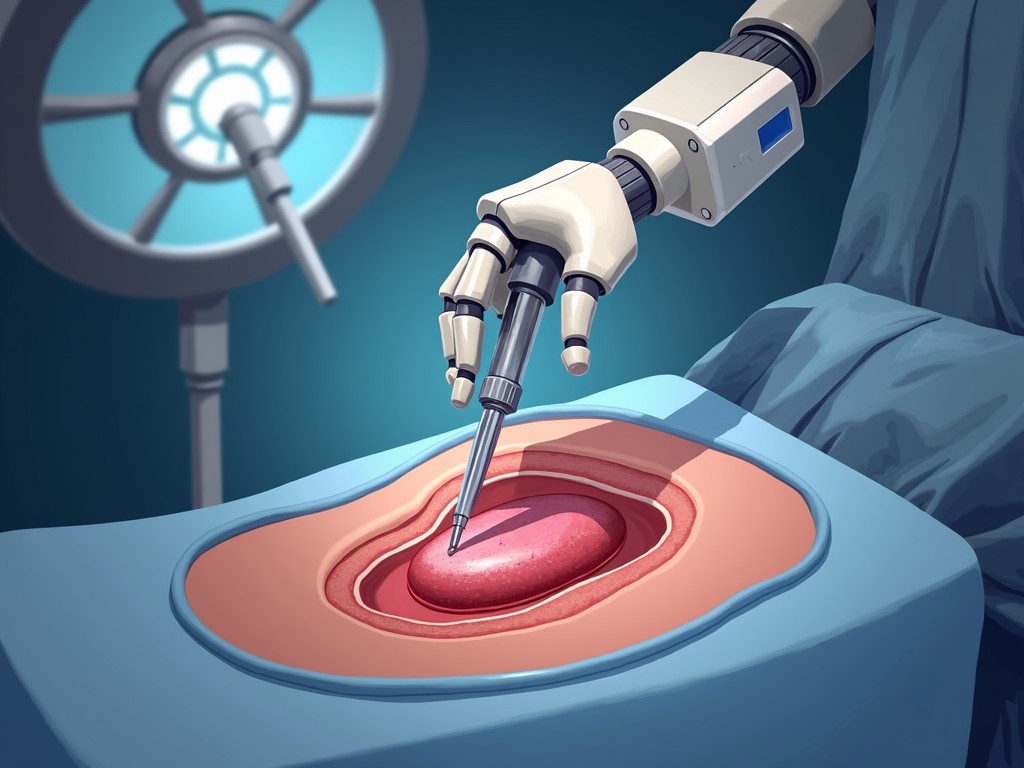
Prostate cancer remains one of the most common malignancies affecting men worldwide. Early detection and personalized treatment strategies are crucial for improving survival rates and preserving quality of life. This comprehensive guide explores the latest diagnostic tools, treatment options—including surgery, radiation, hormone therapy, and emerging technologies—and practical steps for patients and clinicians to navigate the complex journey of prostate cancer care.
Understanding Prostate Cancer
Prostate cancer originates in the gland that produces seminal fluid. Unlike many cancers, it often presents with subtle symptoms, making routine screening essential. The disease can range from indolent tumors that require minimal intervention to aggressive forms that spread rapidly to bone and lymph nodes.
Key Risk Factors
- Age: Risk increases significantly after 50 years.
- Family History: First‑degree relatives with prostate cancer elevate risk.
- Race: African‑American men experience higher incidence and more aggressive disease.
- Genetic Mutations: BRCA1/2 and other hereditary syndromes contribute to susceptibility.
Screening and Diagnosis
Early detection hinges on two primary screening modalities: the prostate‑specific antigen (PSA) blood test and digital rectal examination (DRE). When PSA levels rise or DRE reveals abnormalities, a biopsy is warranted to confirm malignancy and assess tumor grade.
Biopsy Techniques
- Transrectal Ultrasound‑Guided (TRUS) Biopsy: 12‑core sampling under local anesthesia.
- Fusion Biopsy: Combines multiparametric MRI (mpMRI) with ultrasound for targeted sampling.
- Transperineal Biopsy: Avoids rectal contamination, reducing infection risk.
Imaging Advances
Multiparametric MRI has revolutionized prostate imaging, enabling precise localization of suspicious lesions. PET/CT with PSMA tracers further refines staging by detecting metastatic spread.
Treatment Landscape
Therapeutic decisions depend on tumor stage, Gleason score, PSA level, patient age, comorbidities, and personal preferences. The goal is to maximize oncologic control while minimizing side effects.
Active Surveillance
Ideal for low‑risk, low‑grade tumors with PSA <10 ng/mL. Patients undergo periodic PSA checks, repeat biopsies, and imaging to monitor progression.
Radiation Therapy
External beam radiation delivers high‑dose photons to the prostate, often combined with androgen deprivation therapy (ADT) for intermediate‑risk disease. Stereotactic body radiotherapy (SBRT) offers shorter treatment courses.
Surgical Options
Radical prostatectomy removes the gland and nearby lymph nodes. Minimally invasive approaches—laparoscopic and robotic—provide comparable oncologic outcomes with reduced morbidity.
Laparoscopic Radical Prostatectomy
Small incisions and camera‑guided dissection reduce blood loss and shorten hospital stay.
Robotic‑Assisted Radical Prostatectomy (RARP)
Da Vinci system offers 3‑D visualization and wrist‑like instrument articulation, enhancing nerve‑sparing precision.
Hormonal Therapy
Androgen deprivation—via luteinizing hormone‑releasing hormone (LHRH) agonists or antagonists—lowers testosterone, slowing tumor growth. It is standard for metastatic or high‑risk localized disease.
Systemic Chemotherapy
Docetaxel and cabazitaxel are reserved for castration‑resistant metastatic prostate cancer, improving survival in selected patients.
Managing Side Effects
Common postoperative complications include urinary incontinence and erectile dysfunction. Early pelvic floor rehabilitation, pelvic exercises, and nerve‑sparing techniques mitigate these issues.
Rehabilitation Strategies
- Pelvic floor muscle training (Kegels).
- Pharmacologic agents: PDE5 inhibitors for erectile function.
- Psychosocial support: counseling and support groups.
Prostate Cancer and HPV: Emerging Insights
Recent studies suggest a potential link between high‑risk human papillomavirus (HPV) infection and prostate carcinogenesis. While the evidence is preliminary, it underscores the importance of comprehensive viral screening in high‑risk populations.
Frequently Asked Questions
- What is the best screening interval? Annual PSA and DRE are recommended for men over 50 or with risk factors.
- Can I avoid surgery? Yes—radiation or active surveillance may be appropriate for low‑risk disease.
- Will I lose sexual function? Nerve‑sparing techniques reduce risk, but outcomes vary.
Conclusion
Prostate cancer management has evolved from radical surgery to precision medicine, integrating imaging, targeted biopsies, and minimally invasive surgery. Early detection, individualized treatment plans, and proactive side‑effect management are key to improving survival and preserving quality of life. Clinicians should stay abreast of emerging therapies and collaborate closely with patients to choose the most suitable approach.
Considering treatment in Türkiye?
Get a free consultation and cost estimate from verified specialists.