
Istanbul Colposcopy: The Comprehensive Guide to Early Cervical Cancer Detection
Introduction
When it comes to women’s health, early detection is the key to preventing serious complications. In Istanbul, colposcopy has become a cornerstone of cervical cancer screening, offering a detailed, non‑invasive look at the cervix, vagina, and vulva. Whether you’re a patient, a caregiver, or a healthcare professional, understanding the colposcopy procedure, its indications, and post‑procedure care can empower you to make informed decisions about your health.
What Is Colposcopy?
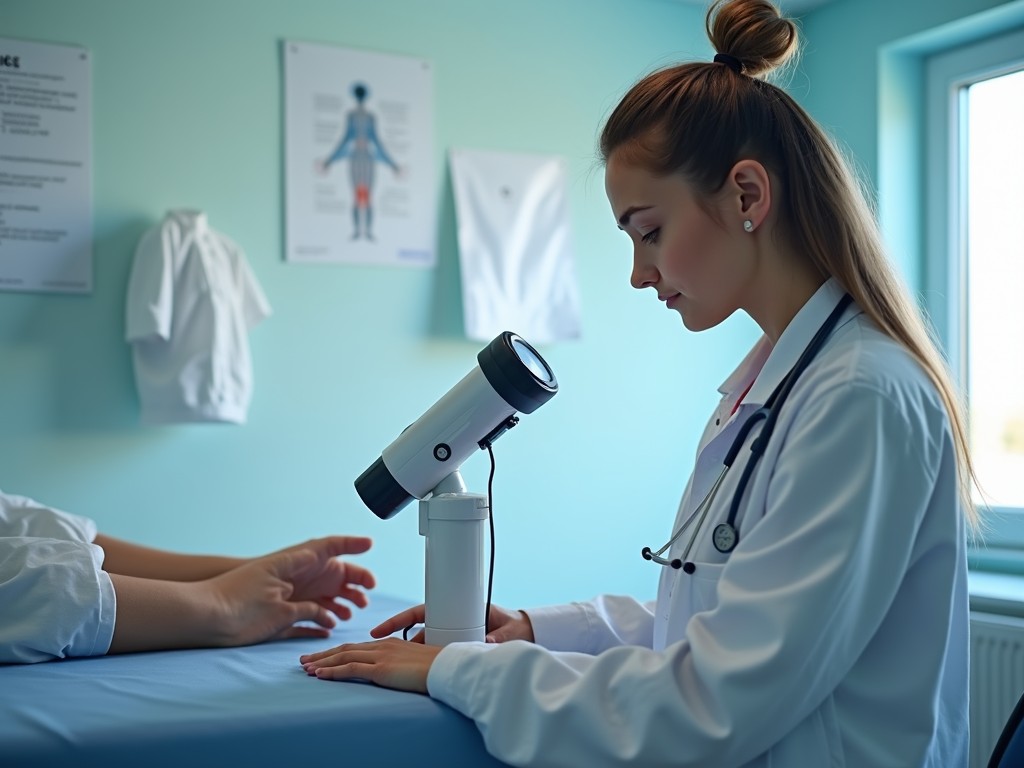
Colposcopy is a diagnostic technique that uses a colposcope—a bright, magnifying instrument—to examine the cervix, vagina, and vulva for abnormal cells or lesions. Unlike a standard pelvic exam, colposcopy provides a magnified, illuminated view, allowing clinicians to identify subtle changes that may indicate precancerous or cancerous conditions.
When Is Colposcopy Recommended?
- Abnormal Pap smear results (e.g., ASC‑US, LSIL, HSIL, AGC)
- High‑risk HPV DNA test positivity (HPV 16 or 18)
- Suspicious lesions on the vulva or vagina
- Persistent vaginal bleeding or post‑menopausal bleeding
- Follow‑up of CIN 1–3 (cervical intraepithelial neoplasia)
- Pre‑operative assessment of the cervix during pregnancy
Preparation for the Procedure
Preparing for colposcopy in Istanbul is straightforward:
- Schedule the appointment outside of your menstrual period.
- Avoid sexual intercourse, tampons, vaginal medications, and douches 24–48 hours before the exam.
- Take a mild pain reliever if advised by your doctor.
- Practice relaxation techniques—deep breathing, meditation, or gentle exercise—to reduce anxiety.
How the Colposcopy Procedure Is Performed
The colposcopy process is similar to a routine gynecological exam but with added steps for enhanced visualization:
- The patient is positioned on the examination table, and a speculum is gently inserted.
- Special solutions (e.g., acetic acid or Lugol’s iodine) are applied to the cervix to highlight abnormal cells.
- The colposcope is held a few centimeters away from the cervix, providing a magnified, illuminated image.
- If suspicious areas are identified, a small biopsy may be taken during the same session.
- The entire procedure typically lasts 10–20 minutes and is usually painless.
Post‑Procedure Care and What to Expect
After a routine colposcopy without biopsy, patients can resume normal activities immediately. If a biopsy was performed, expect:
- Light bleeding or discharge for a few days.
- Avoid sexual intercourse, tampons, and vaginal douches for at least 4–6 weeks.
- Monitor for severe bleeding, foul odor, or high fever—contact your doctor if these occur.
Does Colposcopy Hurt?
Most patients report minimal discomfort. The speculum may cause slight pressure, and the solutions can produce a brief burning sensation. Biopsy, if required, may cause mild cramping or a “stabbing” feeling, but local anesthesia is typically used to keep pain at bay.
When Will I Receive My Results?
Results are available promptly if no biopsy was taken. If a biopsy was performed, pathology results usually arrive within a few days. Depending on the findings, further tests or treatments may be recommended.
What Is LEEP and When Is It Used?
LEEP (Loop Electrosurgical Excision Procedure) is a minimally invasive treatment that removes abnormal cervical tissue using a thin, electrically charged wire loop. It is often employed after colposcopy or biopsy reveals precancerous changes.
Benefits of LEEP
- Fast and minimally invasive.
- Performed under local anesthesia.
- Complete removal of abnormal tissue.
- Short recovery time.
Post‑LEEP Care
Expect mild bleeding and avoid sexual activity, tampons, and vaginal douches for 4–6 weeks. Regular follow‑ups are essential to monitor healing and detect any recurrence.
Frequently Asked Questions
- Is colposcopy safe during pregnancy? Yes, it is safe and can help assess cervical changes that may affect pregnancy outcomes.
- Will colposcopy affect fertility? No, the procedure itself does not impact fertility.
- How often should I get a colposcopy? Frequency depends on your risk factors and previous results; discuss with your healthcare provider.
- Can I get a colposcopy in Istanbul’s private clinics? Absolutely—many reputable clinics and hospitals in Istanbul offer this service.
Conclusion
Colposcopy in Istanbul is a vital tool for early detection and management of cervical abnormalities. By providing a detailed, magnified view of the cervix, it enables timely diagnosis and treatment, ultimately reducing the risk of cervical cancer. Whether you’re preparing for your first colposcopy or seeking follow‑up care, understanding the procedure, its benefits, and post‑care guidelines can help you navigate the process with confidence. For more information or to schedule an appointment, call 0542 225 89 12 or visit our Istanbul colposcopy page.
Explore related topics such as laser genital whitening to learn more about women’s health services in Istanbul.
Considering treatment in Türkiye?
Get a free consultation and cost estimate from verified specialists.