
The Most Challenging Nose Types for Rhinoplasty: A Comprehensive Guide
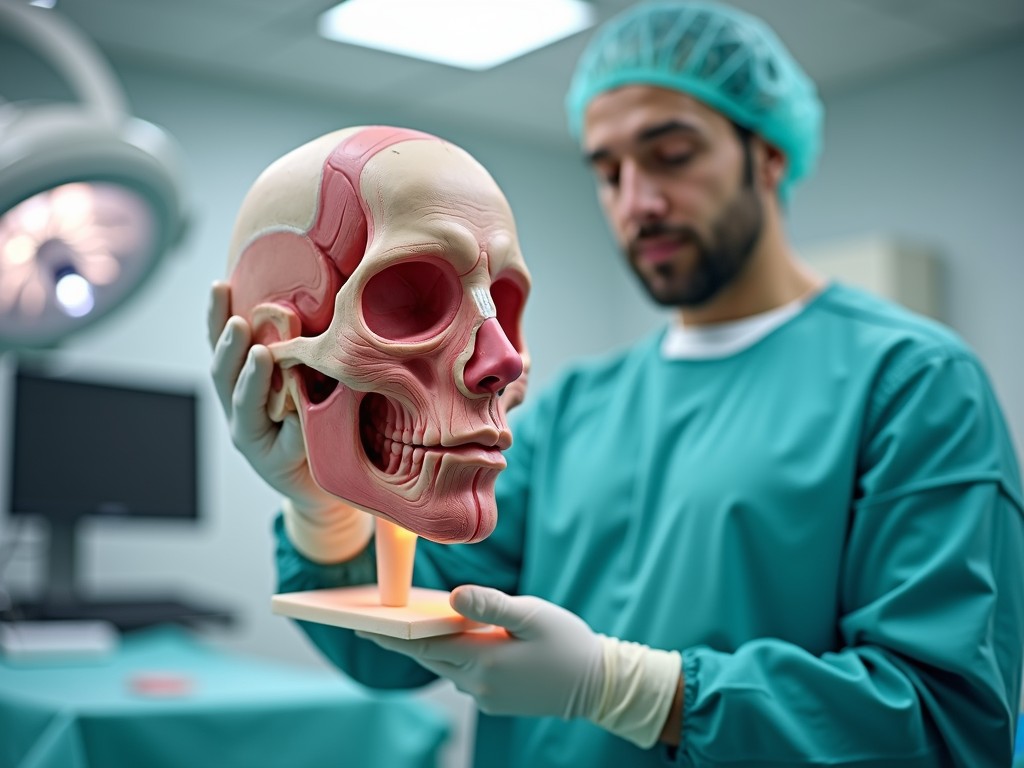
Rhinoplasty, commonly known as a nose job, has become one of the most sought‑after cosmetic procedures worldwide. While many patients achieve remarkable results, some nose shapes present unique surgical challenges that require advanced techniques and meticulous planning. In this guide, we’ll explore the hardest nose types for rhinoplasty, explain why they’re difficult, and outline the strategies surgeons use to achieve both aesthetic and functional success.
Why Some Nose Types Are Harder to Operate On
Every nose is unique, but certain anatomical features can complicate the surgical approach:
- Structural Complexity: Multiple cartilage and bone irregularities can make reshaping difficult.
- Skin Thickness: Thick skin may mask subtle changes, requiring more precise contouring.
- Functional Concerns: Deviated septum or breathing issues add a functional dimension to the aesthetic goals.
- Previous Surgery: Revision cases often involve scar tissue and altered anatomy.
Top 10 Hardest Nose Types for Rhinoplasty
1. Crooked (Bent) Nose
A crooked nose typically results from a bent nasal bone or cartilage. The asymmetry can be subtle or dramatic, affecting both appearance and airflow. Surgeons often use osteotomies and cartilage grafts to straighten the nasal dorsum while preserving the natural profile.
2. Drooping Tip
When the nasal tip sags, it can create an unbalanced look. The challenge lies in providing adequate support without over‑tightening, which could cause a pinched appearance. Tip grafts, suturing techniques, and sometimes a dorsal hump reduction are employed to lift and stabilize the tip.
3. Thick Skin
Patients with thick skin may not show subtle changes in cartilage or bone. Surgeons must perform more aggressive reshaping and may use cartilage grafts to create a smoother contour that the skin can follow. Skin thinning techniques are rarely used due to the risk of scarring.
4. Bulbous (Soğanlı) Tip
A bulbous tip features a prominent, rounded tip that can appear disproportionate. The surgeon must sculpt the tip cartilage and adjust the alar base to achieve a refined, natural look.
5. Deviated Septum (Deviasyon)
Septal deviation is a common cause of breathing problems and can distort the external nose. Septoplasty is often combined with rhinoplasty to straighten the septum, improve airflow, and correct the external appearance.
6. Wide Base
A wide nasal base can make the nose look broad and unbalanced. Narrowing the alar base with cartilage grafts or suturing techniques helps create a more harmonious profile.
7. Large and Long Nose
Large noses may have a prominent dorsal hump or an overly long tip. Reducing the size of the dorsum and tip, while maintaining the natural shape, is a delicate balance that requires precise cartilage manipulation.
8. Asymmetric Nostrils
Unequal nostril size or shape can be both an aesthetic and functional issue. Surgeons use grafts and sutures to even out the nostril rims and ensure symmetrical airflow.
9. Overly Sharp (Sivri) Nose
An excessively sharp nose can appear harsh. Softening the tip and adjusting the dorsal slope can create a more balanced, gentle profile.
10. Congested or “Sıkışmış” Nose
Congestion often results from a narrow nasal passage or internal structural issues. Revision rhinoplasty may involve widening the internal nasal valve, removing obstructive tissue, and reshaping the external nose to improve both function and appearance.
Functional vs. Aesthetic Goals
In many of these challenging cases, the surgeon must address both functional and aesthetic concerns. For example, a deviated septum not only distorts the nose but also impairs breathing. A successful rhinoplasty will:
- Restore or improve airflow.
- Maintain or enhance the natural nasal shape.
- Minimize scarring and postoperative complications.
Advanced Techniques for Hard Nose Types
- Cartilage Grafting: Using septal, conchal, or costal cartilage to rebuild or reinforce the nasal framework.
- Osteotomies: Small bone cuts that allow repositioning of the nasal bones.
- Tip Plasty: Precise reshaping of the nasal tip using sutures and grafts.
- Septoplasty: Straightening the septum to improve airflow and support the external nose.
- Revision Rhinoplasty: Addressing previous surgical outcomes with scar tissue management and new grafting strategies.
Frequently Asked Questions
- Can a crooked nose be corrected?
- Yes, with osteotomies and cartilage grafts, a crooked nose can be straightened while preserving a natural look.
- Will rhinoplasty improve breathing?
- When functional issues like septal deviation or internal valve collapse are addressed, rhinoplasty can significantly improve breathing.
- Is it safe to have rhinoplasty with thick skin?
- Yes, but the surgeon may need to perform more extensive reshaping and use grafts to achieve a smooth contour.
- What about revision rhinoplasty?
- Revision cases are more complex due to scar tissue, but experienced surgeons can often achieve satisfactory results.
- How long does recovery take?
- Initial swelling may last 2–3 weeks, with final results visible after 6–12 months.
Conclusion
Rhinoplasty for the hardest nose types demands a blend of surgical skill, anatomical knowledge, and artistic vision. Whether the goal is to straighten a crooked nose, lift a drooping tip, or correct a deviated septum, modern techniques allow surgeons to deliver both functional relief and aesthetic harmony. If you’re considering rhinoplasty, consult a board‑certified plastic surgeon who specializes in complex nasal procedures to discuss your unique anatomy and desired outcomes.
Considering treatment in Türkiye?
Get a free consultation and cost estimate from verified specialists.