
Cupping Therapy for Neck Misalignment: Relief, Limits, and How to Combine It with Proper Care
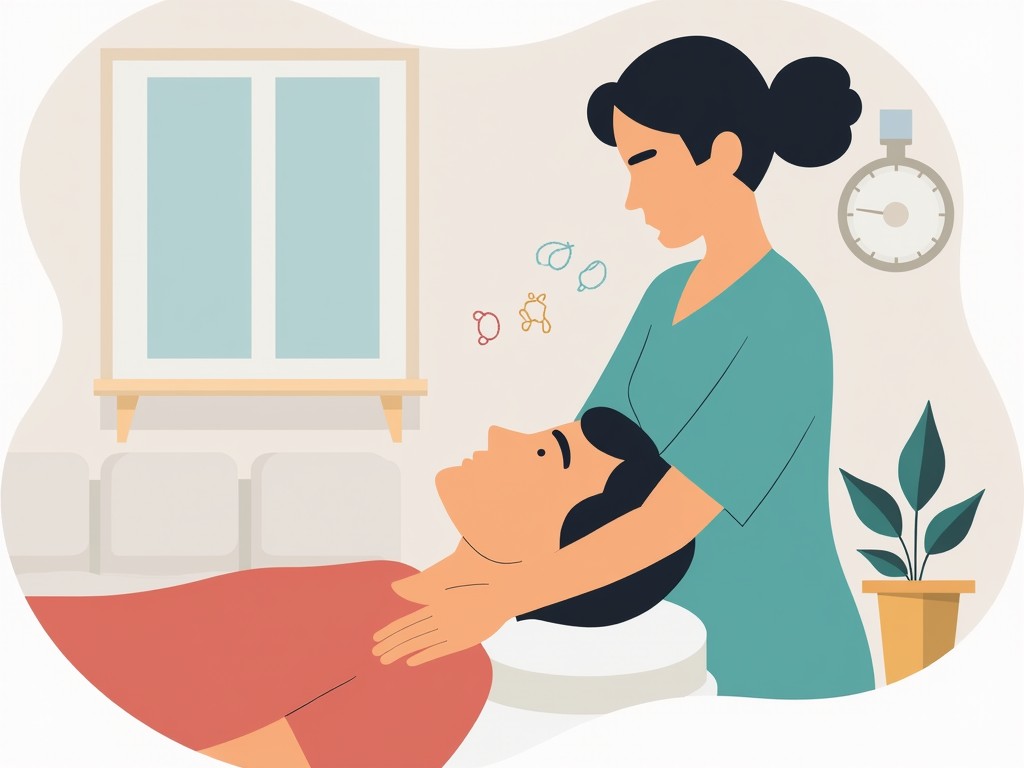
Neck pain and a straightened cervical spine are common complaints in our tech‑heavy, sedentary world. While many turn to painkillers or expensive surgeries, a centuries‑old alternative—cupping therapy—has gained popularity for its quick, natural relief. But does cupping truly correct a misaligned neck, or is it merely a temporary balm? In this guide we break down the science, benefits, limitations, and practical steps to safely incorporate cupping into a comprehensive neck‑health plan.
What Is Cervical Misalignment?
Cervical misalignment, often called “neck straightening,” occurs when the natural C‑shaped curve of the upper spine flattens. This structural change increases load on the vertebrae, discs, and surrounding muscles, leading to:
- Headaches and migraines
- Stiffness and limited range of motion
- Shoulder tension and upper back pain
- General discomfort and fatigue
How Does Cupping Therapy Work?
Cupping involves placing glass, bamboo, or silicone cups on the skin to create suction. The negative pressure pulls the skin and underlying tissues upward, which is believed to:
- Increase local blood flow
- Reduce muscle tension and spasms
- Promote lymphatic drainage
- Stimulate the body’s natural healing response
Can Cupping Correct a Straightened Neck?
Short answer: No. Cupping does not remodel the spine’s shape. It offers:
- Temporary pain relief
- Reduced muscle stiffness
- Improved circulation to the neck and shoulder area
These effects can make daily activities feel easier, but the underlying structural misalignment remains. Think of cupping as a supportive therapy that eases symptoms while you work on the root cause.
When Is Cupping Safe for Neck Issues?
While cupping is generally safe, certain conditions warrant caution:
- Recent neck surgery or fractures
- Severe osteoporosis or bone disease
- Active infections or skin conditions in the treatment area
- Pregnancy (especially in the first trimester)
- Uncontrolled hypertension or bleeding disorders
Always consult a qualified practitioner and disclose your medical history before starting cupping.
Choosing the Right Cupping Points for Neck Misalignment
Experienced therapists target specific areas to maximize benefit while minimizing risk:
- Lower cervical vertebrae (C5‑C7) near the base of the skull
- Trapezius muscle origin at the nape of the neck
- Shoulder blades (scapular region) to relieve tension that pulls the neck forward
- Avoid direct application over the spinal cord or major nerve roots
Complementary Strategies for Long‑Term Relief
Cupping should be part of a holistic plan. Combine it with:
- Posture training: Keep the shoulders back, chin slightly tucked, and avoid hunching over screens.
- Ergonomic adjustments: Use a supportive pillow, maintain a 60‑70° screen angle, and take micro‑breaks every 30 minutes.
- Targeted neck exercises: Gentle stretches, chin‑to‑chest, and shoulder rolls help restore mobility.
- Physical therapy: A licensed PT can design a personalized program that addresses muscle imbalances and spinal alignment.
- Heat or cold therapy: Alternating warm compresses and ice packs can reduce inflammation and muscle soreness.
What to Expect After a Cupping Session
Most people feel:
- Immediate relaxation and a “weight lifted” sensation
- Possible mild soreness or fatigue the next day (normal response to micro‑trauma)
- Enhanced circulation and a subtle tingling feeling in the neck and shoulders
- Short‑term reduction in headache frequency and intensity
These benefits typically last a few hours to a day. For sustained relief, regular sessions (2–3 times per week) combined with lifestyle changes are recommended.
Frequently Asked Questions
- Does cupping cure neck misalignment?
- No. It alleviates symptoms but does not restore the natural C‑curve.
- Can I do cupping at home?
- While home kits exist, improper technique can cause bruising or skin damage. Professional guidance is advised.
- Is cupping painful?
- Most patients report mild discomfort during suction, followed by a pleasant relaxation afterward.
- How often should I get cupped?
- Depends on severity and response. A typical schedule is 2–3 sessions per week, but always follow your practitioner’s advice.
- What if I have a neck herniated disc?
- Consult your doctor first. Cupping may help with muscle tension but should not replace medical imaging or surgical evaluation.
Conclusion
Cupping therapy offers a valuable, non‑invasive tool for managing the pain and stiffness that accompany cervical misalignment. While it cannot straighten the spine, it can reduce muscle tension, improve circulation, and provide temporary relief that makes daily life more comfortable. For lasting results, pair cupping with posture correction, targeted exercises, ergonomic habits, and, when necessary, professional physical therapy. By approaching neck health holistically, you can reclaim mobility, reduce headaches, and support your spine’s natural alignment.
Considering treatment in Türkiye?
Get a free consultation and cost estimate from verified specialists.