
Sleep-Boosting Secrets: Natural Teas, Foods, and Lifestyle Tips for Deep, Restful Nights
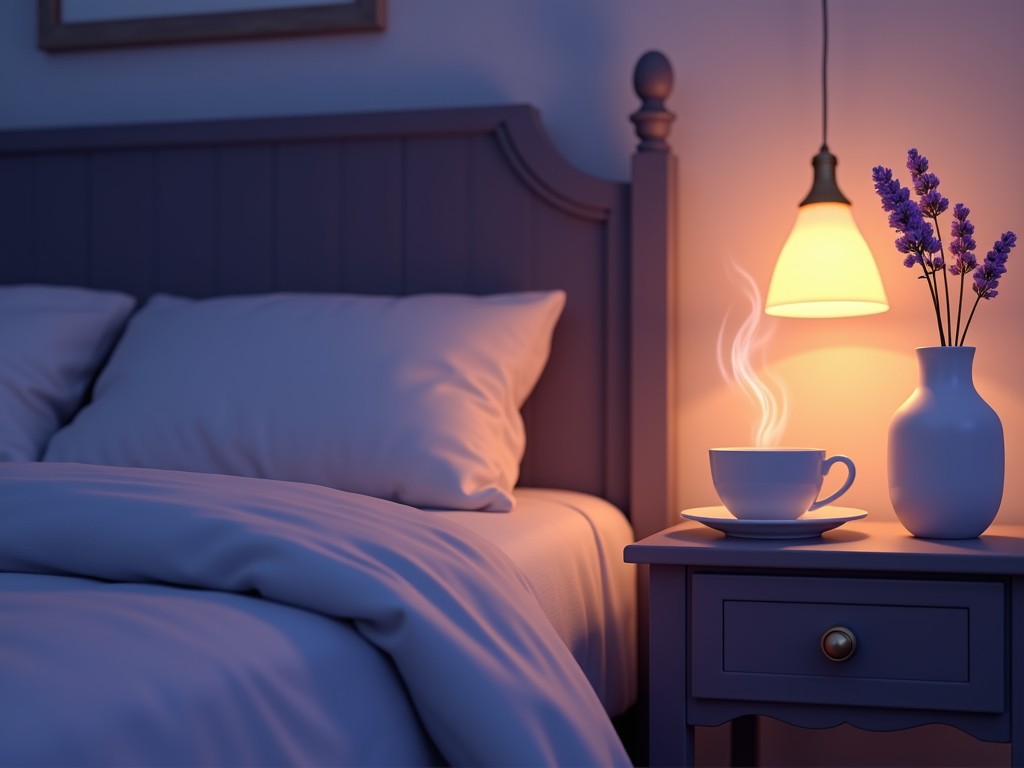
Ever wonder why you still feel groggy after a full night’s rest? The secret might be in what you drink, eat, and how you set up your bedroom. While many people rely on prescription sleep aids, a growing body of evidence shows that simple, natural habits can dramatically improve sleep quality. In this guide, we’ll explore the most effective sleep‑inducing teas, beverages, foods, scents, exercises, and environmental tweaks that can help you drift into a deeper, more restorative slumber.
Sleep‑Inducing Herbal Teas: Nature’s Calm
Herbal teas are a cornerstone of natural sleep aids. They contain compounds that soothe the nervous system, lower cortisol, and promote melatonin production. The top three teas for sleep are:
- Chamomile Tea – Rich in apigenin, which binds to GABA receptors and calms the brain.
- Lemon Balm (Melissa) Tea – Contains rosmarinic acid that boosts GABA levels and reduces anxiety.
- Lavender Tea – Linalool and linalyl acetate relax muscles and encourage deep sleep.
To maximize benefits, brew a cup 30–60 minutes before bedtime and sip slowly. The warm liquid also raises core body temperature slightly, which triggers the body’s natural cooling process as you fall asleep.
Sleep‑Boosting Beverages: Warm & Comforting
Beyond herbal teas, certain drinks can elevate serotonin and melatonin, the hormones that regulate sleep cycles:
- Warm Milk – Contains tryptophan, an amino acid that converts to serotonin and melatonin.
- Chamomile or lemon balm tea – See above.
- Herbal-infused water with a splash of honey – Adds a gentle sweetness that can calm the mind.
Avoid caffeine‑laden drinks after 2 pm and limit alcohol, which can fragment sleep stages.
Sleep‑Enhancing Foods: Eat Your Way to Better Rest
Nutrition plays a pivotal role in sleep quality. Foods high in magnesium, potassium, and melatonin support muscle relaxation and hormone balance. Try incorporating these into a light dinner or bedtime snack:
- Bananas – Magnesium and potassium relax muscles.
- Almonds – Natural melatonin source.
- Oatmeal – Boosts serotonin production.
- Turkey – Another tryptophan-rich protein.
- Cherries – Contain melatonin.
Consume these 1–2 hours before bed to allow digestion without disrupting sleep.
Body Points for Sleep: Gentle Massage Techniques
Targeting specific reflex points can calm the nervous system and ease tension:
- Inner Wrist – Lightly massage to soothe the nervous system.
- Foot Sole – Reflexology points linked to internal organs; gentle kneading promotes relaxation.
- Neck/Shoulder Area – Loosen tight muscles with a gentle roll.
Using a few drops of lavender essential oil during massage amplifies the calming effect.
Sleep‑Optimizing Environment: The Bedroom Blueprint
A well‑designed sleep space is essential for deep rest. Follow these guidelines:
- Darkness – Use blackout curtains or an eye mask to trigger melatonin release.
- Silence – Keep noise to a minimum; consider a white‑noise machine if ambient sounds are unavoidable.
- Cool Temperature – Ideal bedroom temperature is 18–20 °C (64–68 °F).
- Comfortable Mattress & Pillows – Support proper spinal alignment and reduce pressure points.
- Minimal Electronics – Turn off screens at least an hour before bed; blue light disrupts melatonin.
Aromatherapy for Sleep: Scents That Soothe
Essential oils can influence brain waves and promote relaxation. The most effective scents include:
- Lavender – Increases alpha waves, reducing stress.
- Chamomile – Calms the nervous system.
- Vanilla – Known for its soothing, comforting aroma.
Use a diffuser, add a few drops to a pillow spray, or apply diluted oil to pulse points before bedtime.
Gentle Exercises for Better Sleep: Yoga, Meditation & Stretching
Physical activity before bed can lower cortisol and promote muscle relaxation. Try these low‑intensity routines:
- Yoga – Focus on poses like Child’s Pose, Cat‑Cow, and Legs‑Up‑The‑Wall.
- Guided Meditation – 5–10 minutes of deep breathing or body‑scan meditation.
- Light Stretching – Gentle neck rolls, shoulder shrugs, and ankle circles.
Perform these 30–60 minutes before bed to give your body time to wind down.
Frequently Asked Questions
What are the best sleep‑inducing teas?
Chamomile, lemon balm, and lavender teas are the most studied and effective for promoting relaxation and sleep.
Can I drink coffee if I want to sleep better?
Caffeine is a stimulant that can delay sleep onset. It’s best to avoid coffee after 2 pm and limit total daily intake.
How long does it take for sleep‑enhancing foods to work?
Eating a balanced snack 1–2 hours before bed allows digestion while providing the nutrients needed for hormone production.
Is a dark room necessary for good sleep?
Yes. Darkness signals the brain to produce melatonin, the hormone that regulates sleep cycles.
Conclusion: Your Path to Restful Nights
Improving sleep doesn’t require expensive gadgets or prescription drugs. By incorporating sleep‑inducing teas, warm beverages, magnesium‑rich foods, targeted body massage, a dark and cool bedroom, calming scents, and gentle pre‑bedtime exercises, you can create a holistic sleep routine that works with your body’s natural rhythms. Start with one or two changes, then gradually add more until you find the perfect combination that lets you wake up refreshed and energized.
Considering treatment in Türkiye?
Get a free consultation and cost estimate from verified specialists.