
Hair Simulation (Micro Pigmentation) – The Modern Solution for Hair Loss and Scalp Scars
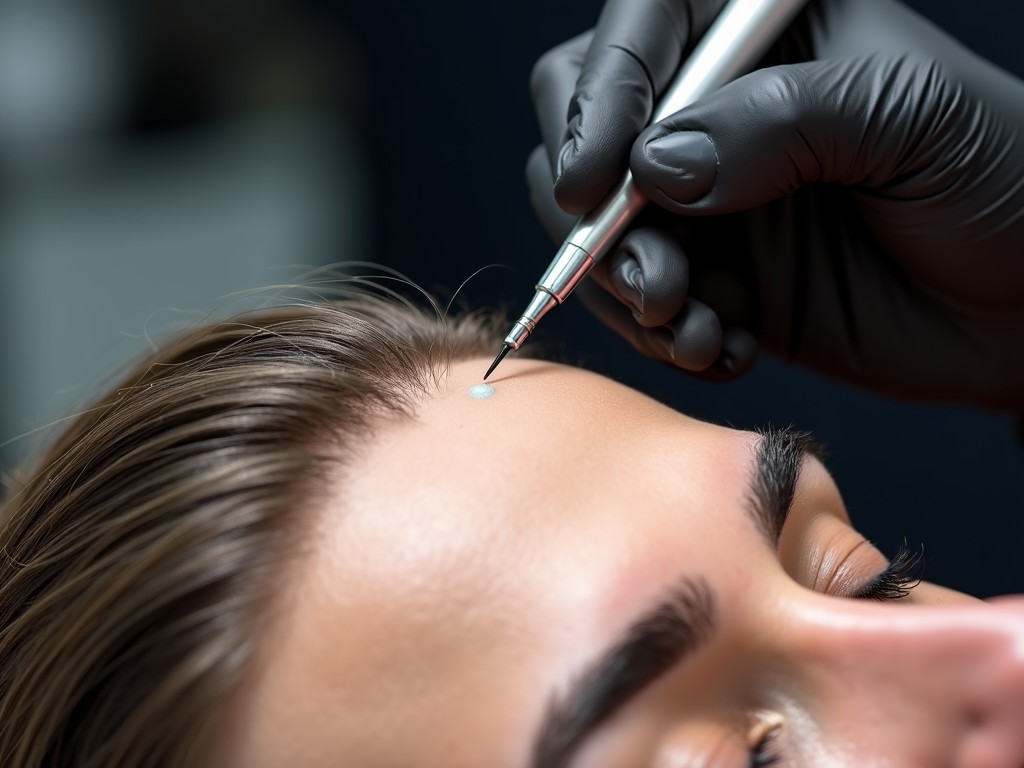
Hair loss and scalp scarring can be emotionally challenging, but advances in cosmetic dermatology now offer a non‑surgical, temporary yet highly effective solution: hair simulation, also known as micro pigmentation or hair tattoo. This technique uses a specialized device, fine needles, and skin‑safe pigments to create the illusion of hair follicles on the scalp. In this guide, we’ll explore how hair simulation works, who can benefit, its pros and cons, and practical tips for maintaining the best results.
What Is Hair Simulation?
Hair simulation is a cosmetic procedure that mimics the appearance of natural hair roots on the scalp. Unlike traditional hair transplantation, it does not involve grafts or surgery. Instead, a rotating device delivers micro‑pigments into the epidermis at a fixed depth, creating tiny dots that resemble hair follicles. The pigment is chosen for its stability and natural color, ensuring that the simulated hair blends seamlessly with the wearer’s existing hair.
Key Terminology
- Micro Pigmentation: The process of depositing pigment into the skin using fine needles.
- Hair Tattoo: A colloquial term for hair simulation, emphasizing the tattoo‑like application of pigment.
- Hair Simulation: The overall technique that creates the illusion of hair on the scalp.
How Does the Procedure Work?
The treatment is performed with a device that shoots micro‑needles at a consistent depth, ensuring the pigment stays in the epidermis and does not spread into deeper layers. Two main approaches exist:
1. Full Shave Micro Pigmentation
Ideal for patients with extensive hair loss or conditions like alopecia universalis and totalis. The scalp is shaved completely, and the pigment dots are applied to create a “newly shaved” look. This method is especially effective for:
- Patients with complete scalp hair loss.
- Those with patchy alopecia areata.
- Individuals who have undergone FUT hair transplant and want to cover visible scar lines.
2. Long‑Hair Pigmentation (Shading Technique)
Used when the patient keeps their hair longer. The pigment is applied to areas where hair appears thinner or where small scars exist, camouflaging the unevenness without shaving the entire scalp. This technique is popular among:
- Women with thinning hair or receding hairlines.
- Patients with minor scalp scars or burn marks.
- Those who prefer to maintain their natural hairstyle.
Who Is a Good Candidate?
- Patients with alopecia universalis or totalis.
- Individuals with patchy alopecia areata.
- Those who have undergone FUT hair transplant and wish to cover scar lines.
- People with minimal hair loss or thinning who want a subtle enhancement.
- Patients with scalp burns or trauma scars.
- Anyone who prefers a non‑surgical, temporary solution.
Advantages of Hair Simulation
- Non‑surgical: No incisions, minimal downtime, and lower infection risk.
- Quick results: Visible improvement within 2–4 days.
- Customizable: Pigment color and density can be tailored to match natural hair.
- Temporary: Lasts 3–5 years, allowing flexibility for future changes.
- Scalp scar camouflage: Effectively hides FUT scar lines and minor injuries.
Potential Drawbacks
- Results are temporary; pigment fades over time.
- Requires regular maintenance sessions to keep the look fresh.
- Limited to short hairstyles; long hair may reveal untreated areas.
- Sun exposure can accelerate pigment fading; sunscreen is essential.
- Repeated sessions may cause mild skin discoloration or scarring.
Maintenance Tips
- Sun Protection: Use SPF 30+ sunscreen daily to prevent pigment fading.
- Gentle Cleansing: Avoid harsh soaps; use mild, fragrance‑free cleansers.
- Regular Check‑Ins: Schedule touch‑up sessions every 12–18 months.
- Avoid Excessive Heat: Limit hot showers and hair dryers to reduce pigment loss.
- Stay Hydrated: Healthy skin supports pigment longevity.
Frequently Asked Questions
Is hair simulation painful?
Most patients describe the sensation as a mild tingling or slight pressure, similar to a light tattoo. Topical numbing creams can be applied if needed.
How long does the pigment last?
Typically 3 to 5 years, depending on skin type, sun exposure, and aftercare. The pigment gradually fades, after which a touch‑up can restore the appearance.
Can I combine hair simulation with a hair transplant?
Yes. Many patients use hair simulation to cover FUT scar lines or to enhance the density of transplanted hair, creating a more natural look.
What if I want to change my hairstyle?
Because the pigment is fixed, changing hairstyles may reveal untreated areas. A laser removal or additional pigment application may be required to adjust the look.
Conclusion
Hair simulation offers a modern, non‑invasive way to restore confidence for those dealing with hair loss or scalp scarring. By combining precise micro‑pigmentation techniques with skin‑safe pigments, patients can achieve a natural, “newly shaved” or subtly shaded scalp that complements their lifestyle. While the results are temporary, the flexibility and low risk make hair simulation an attractive option for anyone seeking a quick, effective solution to hair loss challenges.
Considering treatment in Türkiye?
Get a free consultation and cost estimate from verified specialists.