
How Often Should You Get Medical Skin Care? Dr. Ümit Çakır’s Expert Guide
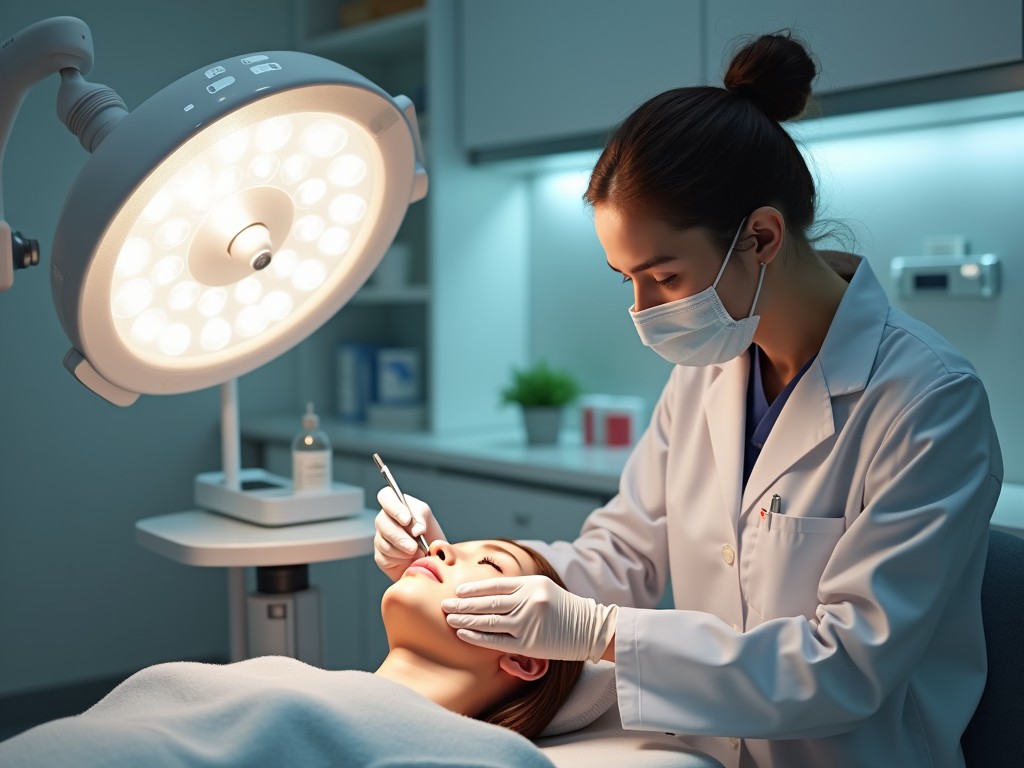
Everyone dreams of a radiant, healthy complexion, but achieving that glow isn’t just about the products you put on your skin. It’s also about the timing and expertise behind the care you receive. In this guide, we’ll dive into the science of medical skin care, explore why frequency matters, and reveal Dr. Ümit Çakır’s top recommendations for a flawless, age‑defying skin routine.
What Is Medical Skin Care?
Medical skin care, also known as professional dermatological treatment, involves a series of specialized procedures performed by licensed clinicians. Unlike everyday home routines, these treatments target deeper layers of the skin, address specific concerns such as acne, hyperpigmentation, or premature aging, and use high‑potency ingredients that are not available over the counter.
Why Frequency Matters
Skin is a dynamic organ that constantly renews itself. The rate of cell turnover, the presence of environmental stressors, and individual skin type all influence how often you should receive professional care. Over‑treating can lead to irritation, while under‑treating may leave problems unresolved.
Dr. Ümit Çakır’s Recommendations
According to Dr. Ümit Çakır, a leading dermatologist, the general rule of thumb is to schedule a medical skin care session once a month. However, he emphasizes that this interval can vary based on:
- Skin type: Oily skin may benefit from more frequent cleansing, while dry skin may need less.
- Age: Younger skin can tolerate more aggressive treatments, whereas mature skin requires gentler approaches.
- Specific concerns: Conditions like severe acne or rosacea may necessitate bi‑weekly visits.
- Lifestyle factors: Exposure to pollution, smoking, or intense sun can accelerate skin damage, prompting more frequent care.
Benefits of Professional Skin Care
Professional treatments offer:
- Deep cleansing that removes dead cells and excess oil.
- Targeted therapies (e.g., chemical peels, micro‑needling, laser resurfacing).
- Customized product regimens tailored to your skin’s needs.
- Immediate results and long‑term improvements.
Home Care vs. Medical Care
While daily cleansing and moisturizing are essential, medical skin care provides:
- Professional assessment of skin health.
- Access to high‑potency ingredients.
- Procedures that cannot be safely performed at home.
- Guidance on how to integrate home products with clinic treatments.
Choosing the Right Timing for Your Skin Type
Understanding your skin type is the first step in determining the optimal treatment frequency:
- Dry skin: 1–2 sessions per month to maintain moisture balance.
- Oily/combination skin: 1–3 sessions per month to control sebum and prevent breakouts.
- Sensitive skin: 1 session every 6–8 weeks to avoid irritation.
- Normal skin: 1 session per month for maintenance.
Building a Personalized Routine
When creating a skin care plan, consider:
- Assessment: Start with a professional skin evaluation.
- Goal setting: Define what you want to achieve (e.g., clearer skin, reduced wrinkles).
- Treatment selection: Choose procedures that align with your goals.
- Follow‑up: Schedule regular check‑ins to adjust the plan.
Product Selection and Skin Reactions
Even after a professional session, the products you use at home can make or break your results. Always:
- Choose fragrance‑free, hypoallergenic options.
- Perform a patch test before full application.
- Avoid mixing active ingredients that may cause irritation.
- Consult your dermatologist if you notice redness, itching, or breakouts.
Long‑Term Advantages
Regular medical skin care can:
- Slow the aging process by stimulating collagen production.
- Improve skin texture and tone.
- Reduce the likelihood of future dermatological issues.
- Boost confidence by maintaining a youthful appearance.
Skin Aging and Medical Care
As we age, the skin’s natural barrier weakens. Dr. Çakır recommends incorporating anti‑aging treatments such as:
- Retinoid‑based peels.
- Microneedling with growth factors.
- Laser resurfacing for fine lines.
- Hydro‑oxygen therapy for deep hydration.
Nutrition for Skin Health
What you eat directly impacts skin vitality. Focus on:
- Antioxidant‑rich foods (berries, leafy greens).
- Omega‑3 fatty acids (salmon, walnuts).
- Hydration—aim for 2–3 liters of water daily.
- Limit sugary and processed foods that can trigger inflammation.
Do-It-Yourself vs. Professional
While simple at‑home techniques like gentle exfoliation can be beneficial, complex procedures such as chemical peels or laser therapy should only be performed by trained professionals to minimize risks.
Potential Risks and Side Effects
Medical skin care is generally safe, but potential side effects include:
- Redness or mild swelling.
- Temporary pigment changes.
- Rare allergic reactions.
- Infection if proper hygiene isn’t maintained.
Choosing a reputable clinic and following post‑care instructions can significantly reduce these risks.
Conclusion
Achieving and maintaining a healthy complexion is a blend of science, timing, and personalized care. By following Dr. Ümit Çakır’s guidance—typically a monthly medical skin care session tailored to your skin type and concerns—you can unlock lasting benefits, from clearer pores to a more youthful glow. Remember, the key is consistency, professional oversight, and a balanced lifestyle that supports skin health from the inside out.
Frequently Asked Questions (FAQ)
- Q: How often should I get medical skin care?
A: Generally once a month, but this can vary based on skin type, age, and specific concerns. - Q: Can I do medical skin care at home?
A: Simple routines can be done at home, but advanced treatments should be performed by a professional. - Q: What are the risks of medical skin care?
A: Minor redness, swelling, or rare allergic reactions; proper clinic hygiene and post‑care reduce these risks. - Q: Does diet affect skin care results?
A: Yes—antioxidants, omega‑3s, and hydration support skin health and enhance treatment outcomes. - Q: How do I choose the right products after a clinic visit?
A: Follow your dermatologist’s recommendations and perform patch tests before full use.
Considering treatment in Türkiye?
Get a free consultation and cost estimate from verified specialists.