
The Science of Hair: Anatomy, Growth Cycles, and Care Tips for Healthy Locks
Ever wondered why your hair behaves the way it does? From the microscopic structure of a single strand to the complex hormonal dance that governs its growth, hair is a marvel of biology. Understanding the anatomy of hair follicles, the stages of the hair growth cycle, and the factors that influence hair health can empower you to make informed decisions about hair care, styling, and treatment options. In this comprehensive guide, we’ll dive deep into the science behind hair, explore the anatomy of hair follicles, explain the growth cycle, and provide practical tips for maintaining healthy, vibrant hair.
1. Anatomy of a Hair Follicle
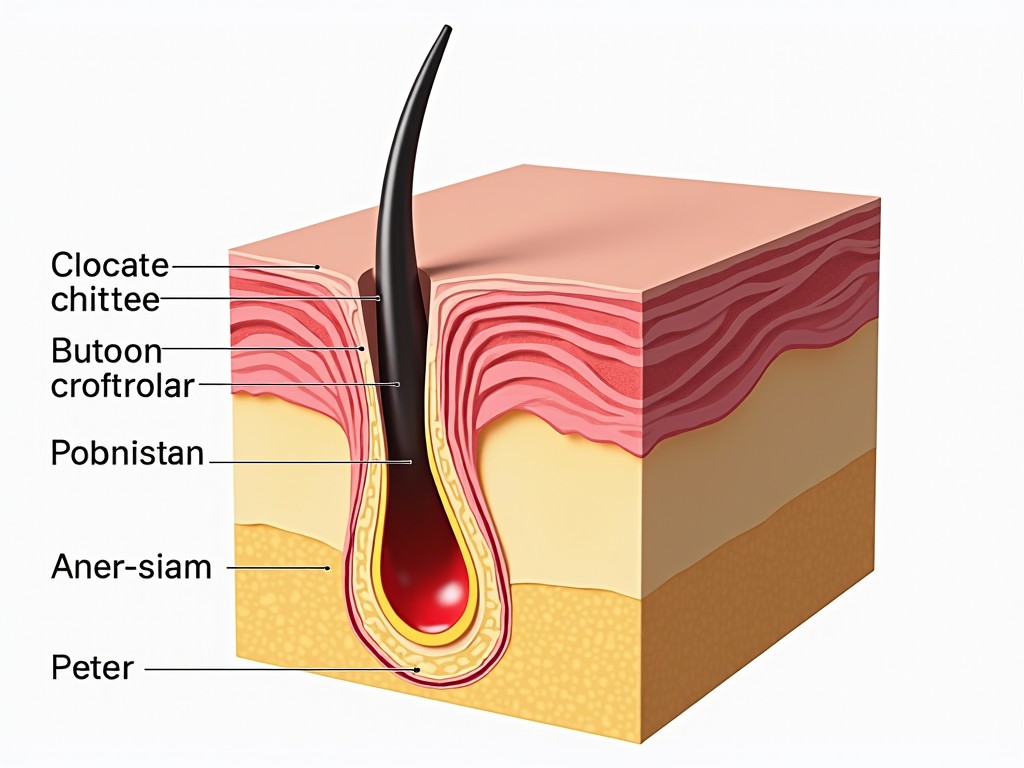
A hair follicle is a tiny, dynamic organ embedded in the skin. It consists of several key components that work together to produce a hair shaft:
- Dermal Papilla: A cluster of connective tissue cells at the base of the follicle that supplies nutrients and signals for growth.
- Matrix: The region where keratinocytes proliferate and differentiate to form the hair shaft.
- Outer and Inner Root Sheaths: Protective layers that guide the emerging hair shaft and maintain its structural integrity.
- Hair Shaft: The visible part of the hair, composed of the cuticle, cortex, and medulla.
Hair Shaft Composition
The hair shaft is primarily made of keratin, a fibrous protein. It is organized into three layers:
- Cuticle: The outermost protective layer, resembling overlapping scales.
- Cortex: The thick middle layer that gives hair its strength, color, and texture.
- Medulla: The central core, present only in thicker hair strands.
2. The Hair Growth Cycle Explained
Hair growth is governed by a cyclical process that includes four distinct phases: anagen, catagen, telogen, and exogen. Each phase has a specific duration and function, influencing hair length, density, and overall health.
2.1 Anagen (Active Growth)
During anagen, the hair follicle is highly active. Keratinocytes in the matrix divide rapidly, pushing the hair shaft upward. The duration of anagen varies by body region:
- Scalp: 3–6 years
- Eyebrows: 4–7 months
- Eyelashes: 1–6 months
- Facial hair: 1–3 months
- Legs: 6–12 months
2.2 Catagen (Transition)
Catagen is a brief, 2–4 week period where growth stops and the follicle begins to shrink. Apoptosis (programmed cell death) reduces blood flow, and the follicle detaches from the dermal papilla.
2.3 Telogen (Resting)
In telogen, the hair shaft remains in the follicle but no longer grows. This phase lasts 4–12 weeks, depending on the body region. At the end of telogen, the old hair shaft is shed, and a new anagen phase begins.
2.4 Exogen (Shedding)
Exogen is the actual shedding of the hair shaft. The new hair pushes the old one out, creating the “club hair” that is typically shed during this phase. Normal shedding ranges from 50–100 strands per day.
3. Factors Influencing Hair Growth
Hair growth is affected by a combination of genetic, hormonal, nutritional, and environmental factors. Understanding these can help you optimize hair health.
3.1 Genetic and Hormonal Influences
- Androgens (Testosterone, Dihydrotestosterone): Promote growth of facial and body hair but can cause androgenic alopecia on the scalp.
- Estrogens: Delay the onset of telogen, extending the anagen phase, especially in women.
- 5‑α‑Reductase Enzyme: Converts testosterone to DHT, a potent androgen that can shrink scalp follicles.
3.2 Nutritional Factors
Protein deficiency, iron deficiency, and lack of essential vitamins (A, C, D, E, B‑complex) can impair keratin production and slow hair growth.
3.3 Environmental Factors
Sun exposure generates free radicals that break disulfide bonds in keratin, leading to brittleness and color loss. Moisture, humidity, and temperature also influence hair texture and strength.
4. Practical Tips for Healthy Hair
- Use sulfate‑free shampoos to preserve natural oils.
- Apply topical minoxidil to prolong anagen in scalp hair.
- Massage the scalp to improve blood circulation.
- Wear UV‑protective hats or use hair products with UV filters.
- Maintain a balanced diet rich in proteins, omega‑3 fatty acids, and vitamins.
5. Frequently Asked Questions
Q: How long does a single hair strand grow?
A: Typically 2–6 years, depending on the body region and individual genetics.
Q: Why does hair turn gray?
A: Aging reduces melanin production in melanocytes, leading to loss of pigment and gray hair.
Q: Can I prevent hair shedding?
A: While some shedding is normal, excessive loss may be mitigated by addressing hormonal imbalances, improving nutrition, and using topical treatments.
Conclusion
Hair is more than just a cosmetic feature; it’s a complex biological system that reflects our overall health, genetics, and lifestyle. By understanding the anatomy of hair follicles, the intricacies of the growth cycle, and the myriad factors that influence hair health, you can adopt targeted strategies to maintain strong, vibrant hair. Whether you’re looking to prevent premature graying, combat hair loss, or simply care for your strands, a science‑backed approach will yield the best results.
Considering treatment in Türkiye?
Get a free consultation and cost estimate from verified specialists.