
How to Safely Lighten Dark Genital Skin: Natural Tips & Medical Solutions
Introduction
Many women notice a darker tone around their genital area and feel self‑conscious about it. While genital darkening is a common cosmetic concern that rarely signals a medical problem, it can affect confidence and comfort. This guide explains why the skin may darken, evaluates safe natural remedies, and highlights professional treatments that deliver lasting results. By understanding the causes and options, you can choose the most effective, gentle approach for your skin.
Why Does Genital Skin Darken?
Darkening of the vulva, clitoris, anus, or bikini line can stem from several factors. Recognizing the root cause is essential before attempting any whitening method.
- Hormonal Changes – Pregnancy, childbirth, menopause, and conditions like polycystic ovary syndrome (PCOS) alter estrogen and progesterone levels, leading to increased melanin production.
- Friction & Irritation – Tight clothing, shaving, waxing, or prolonged sweating can irritate the skin, causing hyperpigmentation.
- Infections or Inflammation – Yeast infections, bacterial vaginosis, or dermatologic conditions can darken the area.
- Medications – Certain hormonal contraceptives or medications with estrogenic effects may cause pigmentation changes.
- Lifestyle Factors – Excessive sun exposure, smoking, and high body weight can contribute to darker skin tones.
When to Seek Professional Advice
Before trying home remedies, consider a gynecological evaluation if you experience:
- Persistent itching, burning, or pain.
- Unexplained weight loss or gain.
- Sudden or rapid changes in skin color.
- Signs of infection (discharge, odor).
A qualified gynecologist can rule out underlying conditions and recommend safe cosmetic treatments. In aesthetic gynecology, laser therapies such as the FemiLift CO₂ laser are proven to reduce pigmentation while preserving skin integrity.
Safe Natural Methods for Genital Lightening
Many women prefer gentle, at‑home solutions. Below are evidence‑based natural options that minimize irritation and maintain the vaginal flora.
1. Vitamin C Serum
Vitamin C is a potent antioxidant that inhibits melanin synthesis. Apply a small amount of a pure, fragrance‑free vitamin C serum to the affected area twice daily. Patch test first to avoid sensitivity.
2. Honey & Yogurt Mask
Both honey and plain yogurt contain lactic acid, which gently exfoliates and lightens skin. Mix equal parts honey and yogurt, apply to the area, leave for 15–20 minutes, then rinse with lukewarm water.
3. Aloe Vera Gel
Aloe vera’s soothing properties reduce inflammation and promote skin renewal. Use a high‑quality, pure aloe gel free of added fragrances.
4. Cucumber Slices
Cucumber contains antioxidants and has a mild bleaching effect. Place chilled cucumber slices on the area for 10 minutes, then pat dry.
5. Gentle Cleansing & Moisturizing
Use a mild, pH‑balanced cleanser and a fragrance‑free moisturizer to keep the skin hydrated and reduce friction.
What to Avoid
- Do not use lemon juice, apple cider vinegar, or other acidic substances directly on genital skin; they can cause burns and disrupt the vaginal microbiome.
- Avoid harsh soaps, scented products, and over‑exfoliation.
- Refrain from shaving or waxing until the skin is fully healed and any irritation has resolved.
Professional Cosmetic Treatments
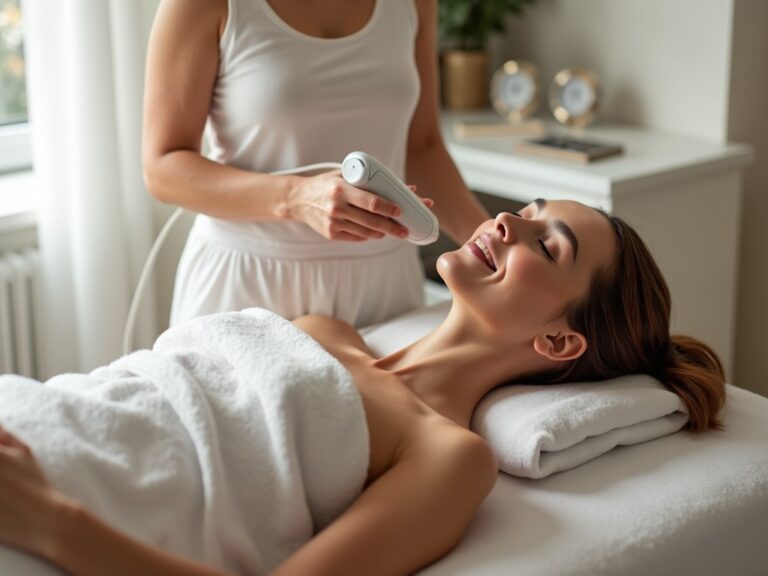
When natural methods are insufficient or you desire faster results, consult an aesthetic gynecologist. Two common laser options are:
- CO₂ Laser (FemiLift) – Targets melanin-rich cells, stimulating collagen remodeling and skin lightening.
- Erbium YAG Laser – Offers precise ablation with minimal downtime, suitable for sensitive areas.
Both procedures are performed under local anesthesia, with recovery times ranging from a few days to a week. Post‑treatment care includes avoiding tight clothing, hot baths, and sexual activity for 48–72 hours.
Frequently Asked Questions
Q: Is genital darkening a sign of a serious medical condition?
A: Most often it is a cosmetic issue. However, persistent changes should be evaluated by a healthcare professional to rule out infections or hormonal disorders.
Q: How long does it take to see results with natural remedies?
Results vary, but consistent use over 4–6 weeks can yield noticeable lightening. Patience and regular application are key.
Q: Can I combine natural methods with laser treatment?
Yes, but discuss a comprehensive plan with your provider. Natural care can help maintain results and soothe the skin post‑laser.
Q: Are there any risks associated with laser therapy?
When performed by an experienced practitioner, risks are minimal. Possible side effects include temporary redness, swelling, or mild pigmentation changes.
Conclusion
Genital darkening is a common, largely cosmetic concern that can be addressed safely with a combination of lifestyle adjustments, gentle natural remedies, and professional treatments. Start by identifying the underlying cause—hormonal shifts, friction, or infection—and consult a gynecologist if symptoms persist. For those seeking quick, lasting results, laser therapy offers a proven solution. Remember, the goal is to enhance comfort and confidence while preserving skin health. With the right approach, you can achieve a lighter, healthier genital area without compromising safety.