
What to Watch for After a Dental Filling: A Comprehensive Post‑Filling Care Guide
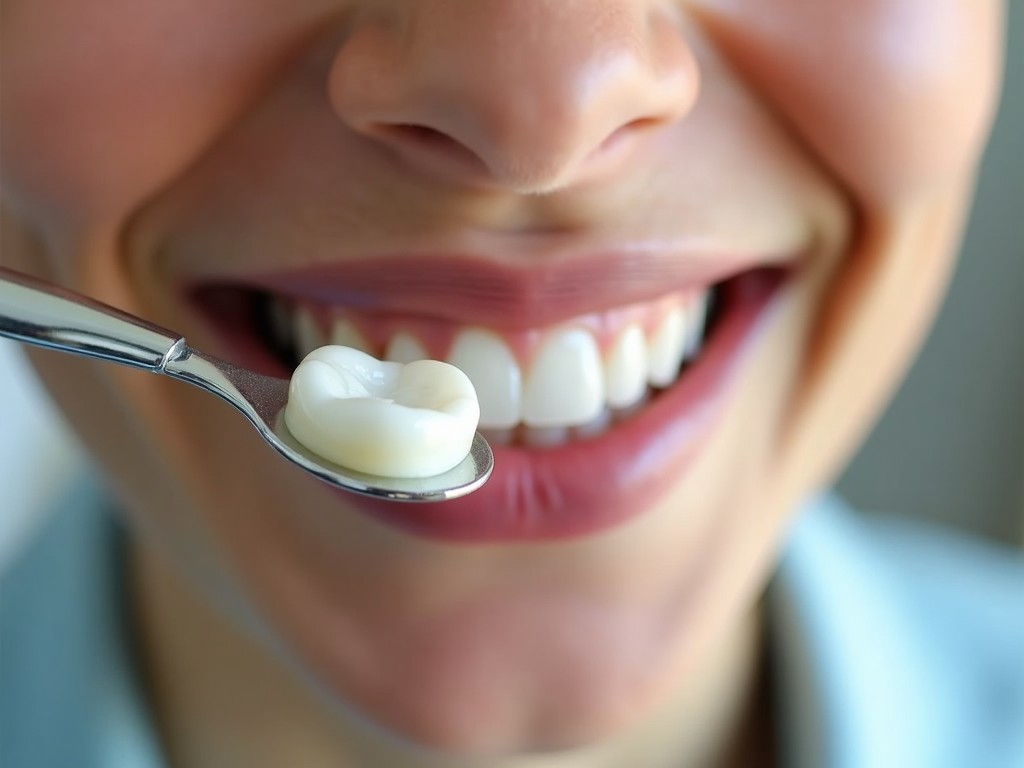
Getting a dental filling is one of the most common procedures in modern dentistry. While the procedure itself is quick and usually painless, the real work begins once you leave the dentist’s chair. Proper aftercare can mean the difference between a smooth recovery and lingering discomfort or even complications that require additional treatment. This guide walks you through the most common side effects, their causes, and the best practices to ensure your new filling stays healthy and pain‑free.
Common Side Effects After a Dental Filling
After a filling, many patients experience temporary sensations that are normal and expected. These usually resolve within a week or two. However, some symptoms can persist and may signal a problem that needs professional attention.
- Cold Sensitivity – A sharp pain when drinking cold beverages or breathing in cold air.
- Heat Sensitivity – Discomfort when consuming hot foods or drinks.
- Pressure Pain – Pain when chewing or biting, especially on the filled tooth.
- General Toothache – Mild to moderate pain that can be triggered by chewing, brushing, or flossing.
- Swelling or Redness – Mild inflammation around the tooth or gum area.
Understanding the Causes of Post‑Filling Pain
Knowing why these symptoms occur helps you decide whether to self‑manage or seek a dentist’s help. The main culprits include:
Pulpitis
When the cavity is deep, the pulp (the nerve and blood vessels inside the tooth) can become inflamed. Pulpitis can be reversible (pain subsides after a few days) or irreversible (requires root canal therapy).
Improper Bite Alignment
If the filling is slightly higher than the surrounding teeth, it can create uneven pressure during chewing, leading to pain or even cracks.
Allergic Reactions
Some patients may develop a mild allergic response to the filling material, presenting as redness, itching, or swelling around the tooth.
Residual Decay or Incomplete Removal
Any remaining decay or inadequate cleaning can cause infection and persistent pain.
Immediate Aftercare Tips
Following these steps right after your filling can reduce discomfort and protect the restoration:
- Wait for Anesthesia to Wear Off – Avoid eating or drinking until numbness fades to prevent accidental biting of lips or tongue.
- Use a Soft‑Bristled Toothbrush – Gently brush the filled tooth and surrounding area to avoid irritation.
- Limit Hot and Cold Foods – Stick to lukewarm foods for the first 24–48 hours.
- Take Over‑the‑Counter Pain Relief – Ibuprofen or acetaminophen can help manage mild pain and inflammation.
- Chew on the Opposite Side – Reduce pressure on the newly filled tooth.
- Maintain Oral Hygiene – Continue flossing, but be gentle around the filling.
When to Seek Professional Help
Persistent or worsening symptoms warrant a dental visit. Contact your dentist if you experience:
- Severe pain that lasts more than 48 hours.
- Swelling that spreads beyond the gum line.
- Visible cracks or chips in the filling.
- Signs of infection such as pus, fever, or a bad taste.
- Allergic symptoms like itching or rash around the mouth.
Frequently Asked Questions
Will my filling feel normal after a week?
Most patients notice a significant reduction in sensitivity within 5–7 days. However, some may experience lingering discomfort for up to 10–14 days, especially if the cavity was deep.
Can I eat hard foods immediately after a filling?
It’s best to avoid hard or sticky foods for at least 24 hours to give the filling material time to set and to prevent accidental damage.
What if I suspect an allergic reaction?
Seek your dentist’s advice promptly. They may recommend a different filling material or prescribe antihistamines to alleviate symptoms.
Is it normal to feel a slight ache when chewing?
Yes, mild pressure pain is common, especially if the filling is slightly higher. Your dentist can adjust the bite if necessary.
Conclusion
Dental fillings are a reliable solution for tooth decay, but the post‑procedure period is crucial for long‑term success. By understanding the typical side effects, recognizing warning signs, and following proper aftercare practices, you can ensure a smooth recovery and protect your new restoration. Remember, when in doubt, a quick call to your dentist can prevent minor discomfort from turning into a major issue.
Considering treatment in Türkiye?
Get a free consultation and cost estimate from verified specialists.