
Living with Hearing Loss: Practical Tips, Hearing Aids, and Communication Strategies
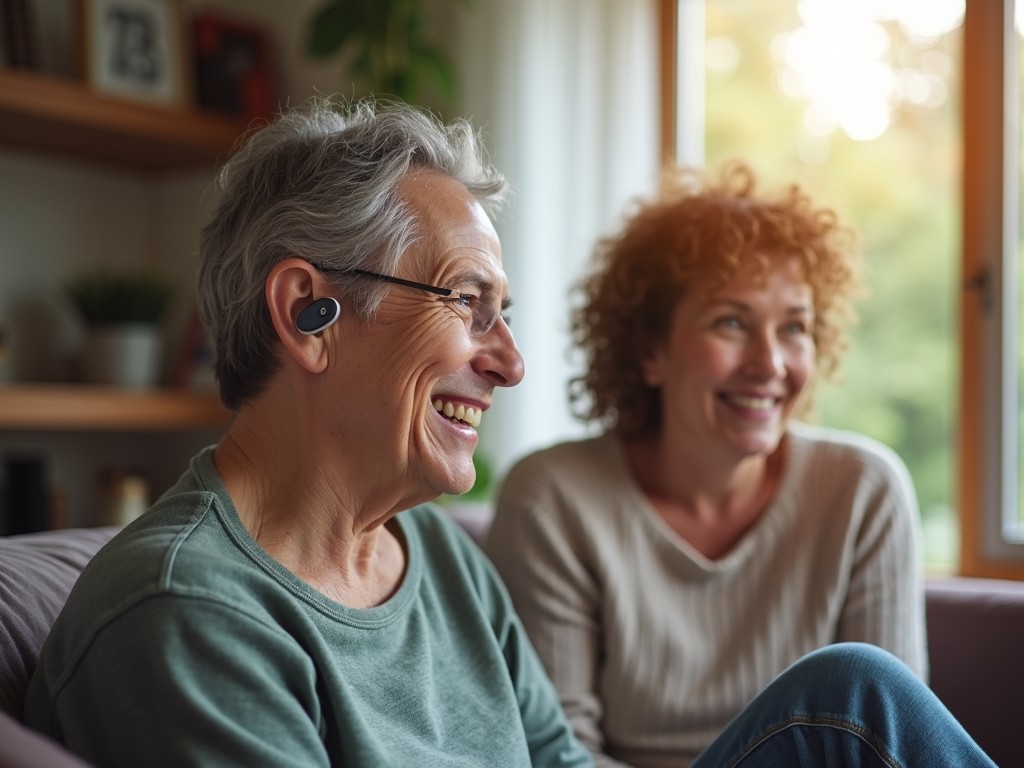
Living with hearing loss can feel like navigating a maze in the dark. Whether you’re newly diagnosed or have been coping for years, the right knowledge and tools can transform everyday interactions into confident, meaningful conversations. This guide pulls together proven strategies, hearing‑aid insights, and communication hacks to help you—and those around you—make the most of every sound.
Understanding the Basics of Hearing Loss
Hearing loss isn’t just about not hearing sounds; it’s about how your brain interprets those sounds. The degree of loss can vary from mild to profound, and it can affect one or both ears. Recognizing the type and severity of your hearing loss is the first step toward effective management.
Types of Hearing Loss
- Conductive: Blockage or damage in the outer or middle ear.
- Sensorineural: Damage to the inner ear or auditory nerve.
- Mixed: Combination of conductive and sensorineural loss.
Hearing Aids: The Modern Solution
Modern hearing aids are more than just amplifiers; they’re smart devices that adapt to your environment. Here’s what you need to know:
- Customization: A fitting session tailors the device to your specific hearing profile.
- Noise Reduction: Filters out background chatter, making speech clearer.
- Connectivity: Pair with smartphones, TVs, and other devices for seamless audio streaming.
- Maintenance: Regular cleaning and battery checks keep performance optimal.
Remember: “Hearing aids amplify sound, they don’t fix speech clarity.” So, pairing them with good communication practices is essential.
Communication Tips for You and Your Loved Ones
Effective communication is a two‑way street. Below are actionable tips that benefit both the hearing‑impaired and their conversation partners.
1. Create a Quiet, Well‑Lit Environment
Background noise can drown out speech. Keep the room quiet, turn off the TV, and use soft lighting so the speaker’s face is clearly visible.
2. Face the Speaker and Use Visual Cues
Eye contact and facial expressions help with lip‑reading and overall comprehension. Avoid covering your mouth with hands or objects.
3. Speak Clearly and at a Moderate Pace
Fast speech can cause words to blur together. Enunciate each word, but avoid exaggerated mouth movements that distort sound.
4. Keep Volume Appropriate
While hearing aids increase volume, shouting can cause discomfort and distortion. Aim for a conversational volume and lower it slightly at the end of sentences.
5. Use Simple, Specific Language
When discussing complex topics, choose clear, unambiguous words. For example, instead of “Could you read the newspaper?” say “Would you like to read the newspaper?”
6. Repeat and Confirm Understanding
After conveying a message, ask the listener to paraphrase. This confirms comprehension and allows for immediate clarification.
Lip‑Reading and Visual Communication
Many people with hearing loss develop lip‑reading skills over time. While it’s not a perfect substitute, it can significantly enhance understanding when combined with auditory cues.
- Practice by watching videos with subtitles.
- Use a mirror to observe mouth shapes for common sounds.
- Encourage friends to maintain eye contact during conversations.
Common Challenges and How to Overcome Them
Even with the best tools, certain situations can be tough. Here’s how to tackle them:
- In noisy environments: Move to a quieter spot or use a hearing aid with advanced noise‑reduction.
- When speaking to someone with a poor accent: Ask them to slow down and clarify unfamiliar words.
- During group conversations: Position yourself near the speaker and ask for repetition if needed.
Frequently Asked Questions
Q: Do hearing aids work in all situations?
A: They’re most effective in controlled environments. In very noisy settings, additional strategies like directional microphones or assistive listening devices may be needed.
Q: Can I use hearing aids if I have mild hearing loss?
A: Yes. Even mild loss can benefit from amplification, especially in challenging listening situations.
Q: How often should I get my hearing aids checked?
A: Schedule a follow‑up appointment every 6–12 months to ensure optimal fit and performance.
Conclusion
Living with hearing loss doesn’t have to mean living in silence. By combining modern hearing aids with thoughtful communication techniques—clear speech, visual cues, and a supportive environment—you can reclaim the joy of conversation. Remember, the goal isn’t just to hear louder; it’s to understand better and connect deeper.
Take the first step today: schedule a hearing evaluation, practice the tips above, and watch your communication skills flourish.
Considering treatment in Türkiye?
Get a free consultation and cost estimate from verified specialists.